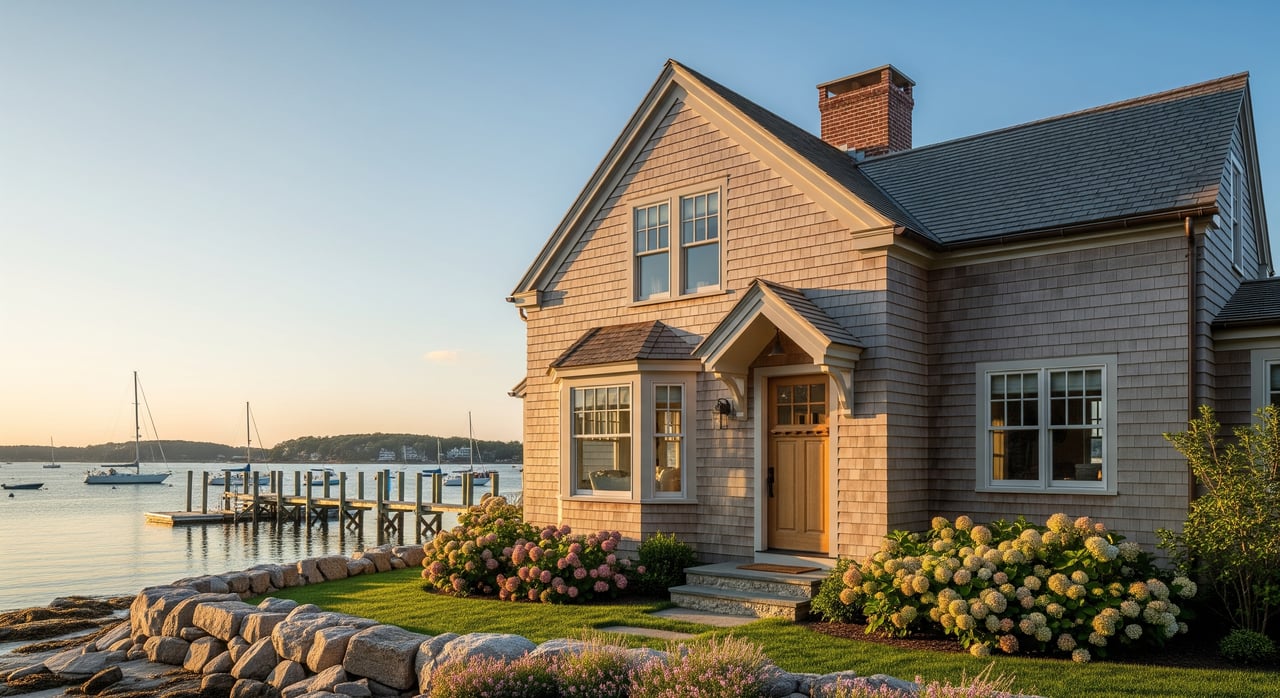
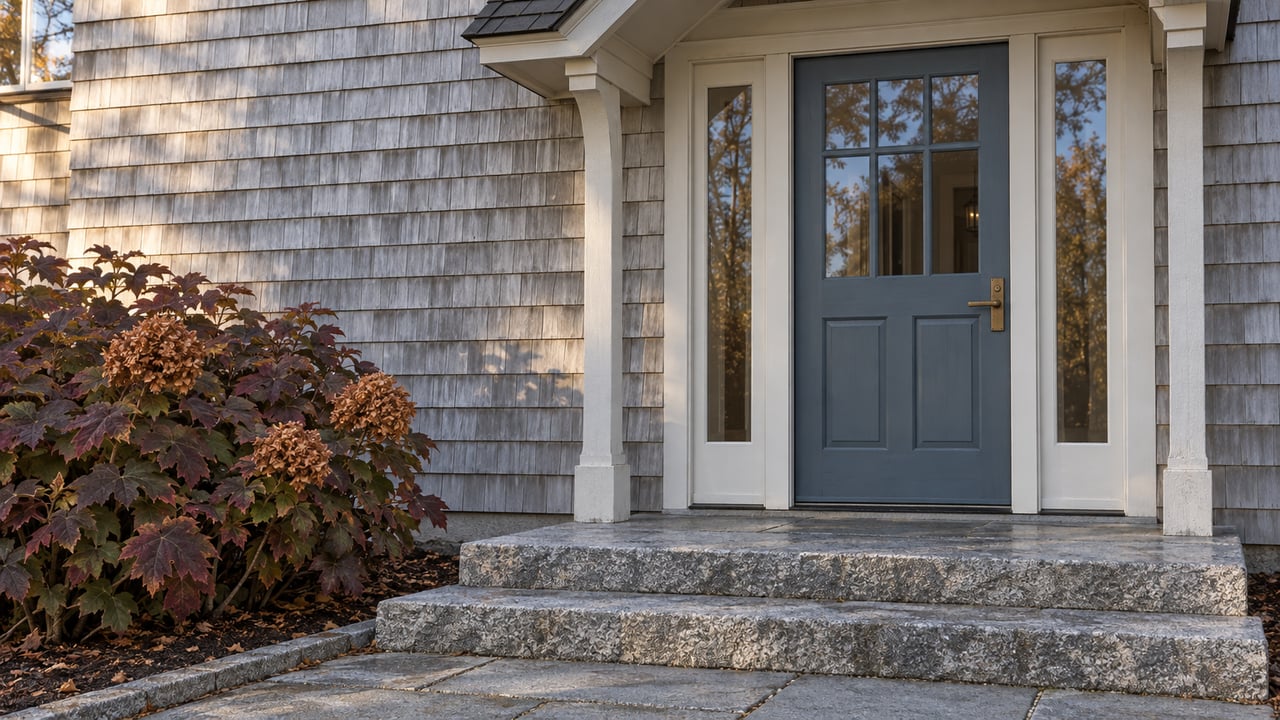
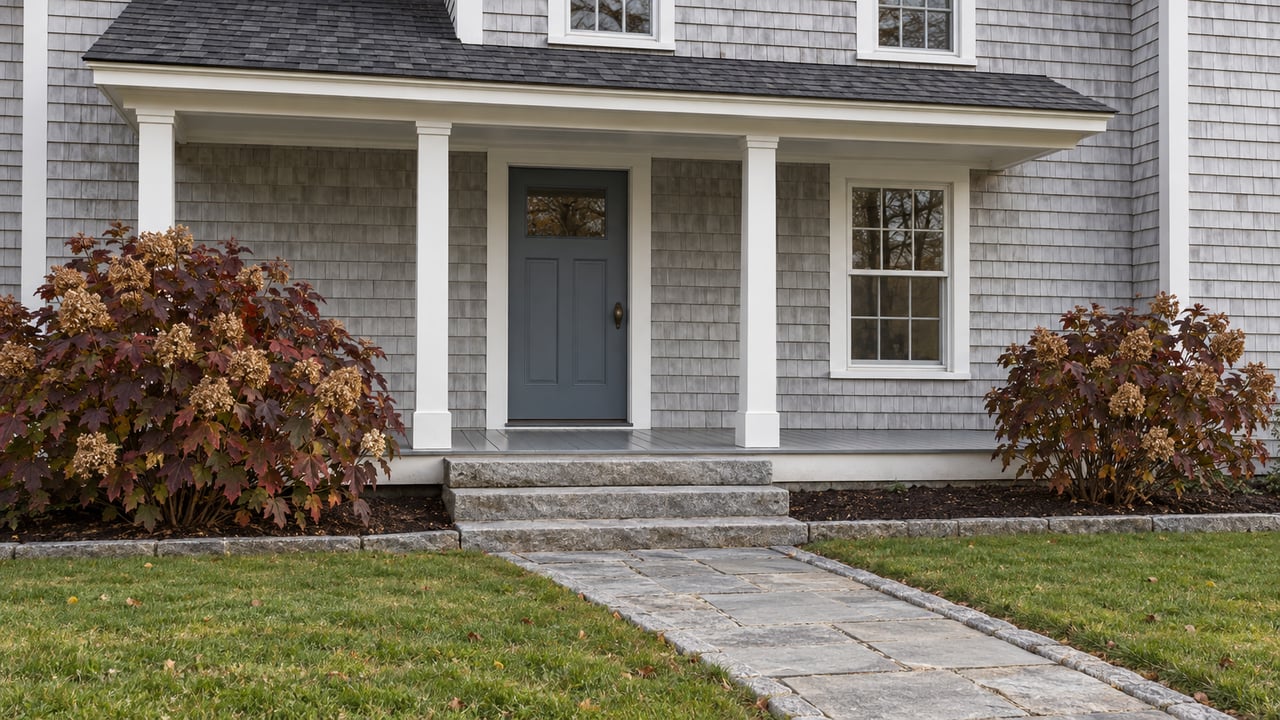
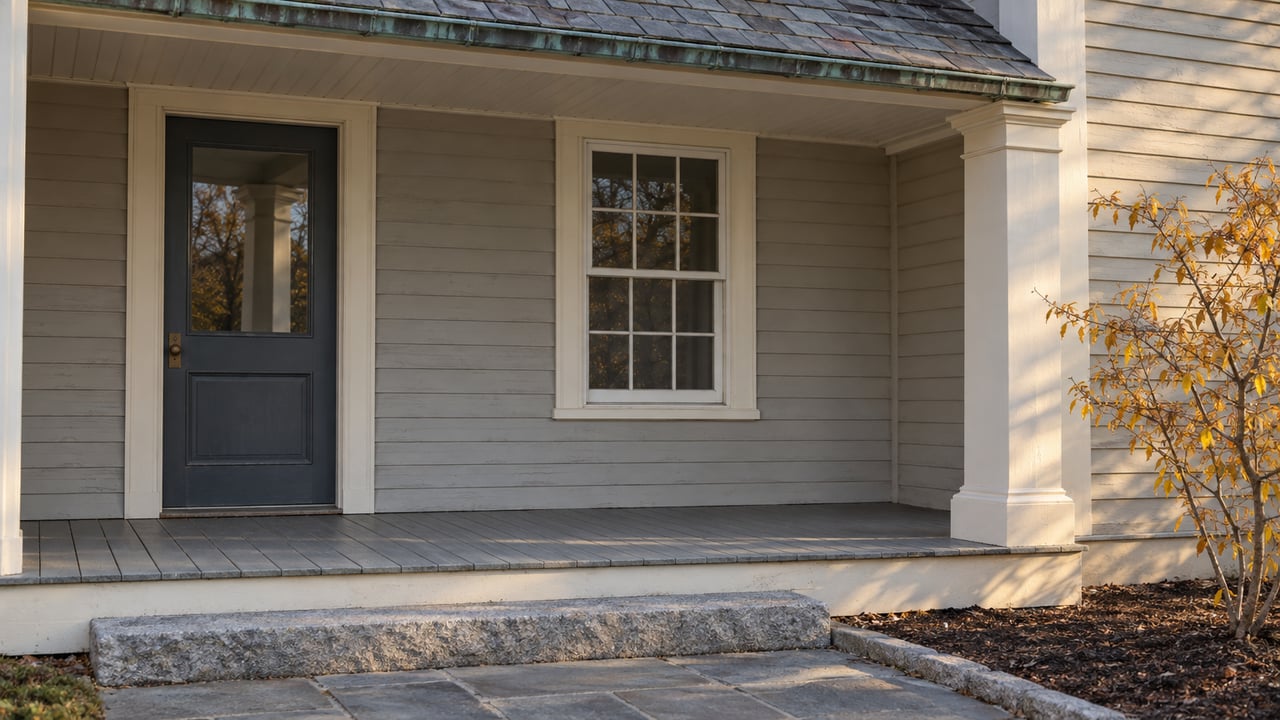
Thinking about selling your Noank or New London home as-is? You are not alone. Many shoreline owners face aging systems, storm wear, or project fatigue and want a simpler path to closing. In this guide, you will learn what selling as-is really means in Connecticut, how disclosures and inspections work, how financing can shape offers, and the best way to price and market a coastal property in current condition. Let’s dive in.
What “as-is” really means in Connecticut
Selling as-is means you are telling buyers you will not make repairs or improvements as a condition of closing. The property is offered and accepted in its current physical condition. This is a negotiating posture and a marketing label.
An as-is sale does not do the following:
- Eliminate required disclosures or permit fraud. You must still provide mandated disclosures and avoid knowingly hiding material defects.
- Block inspections. Most buyers will inspect. They may waive requests for repairs, but they often keep inspection contingencies for renegotiation or termination.
- Override lender or safety rules. If a lender, insurer, or local code requires a repair for funding or occupancy, that repair may still be necessary before closing.
The bottom line: as-is does not skip disclosure and it does not guarantee a hassle-free sale. It sets expectations so you can focus on price, timing, and terms.
Required disclosures for CT sellers
Connecticut requires a written residential property condition disclosure for most one- to four-family sales. The form asks about structural systems, mechanicals, environmental items, and other facts you reasonably know. There are specific exceptions in the statute, so you should verify which rules apply to your situation with a Connecticut real estate attorney.
If your home was built before 1978, federal lead-based paint rules apply. You must disclose known lead hazards, provide the federal pamphlet, and allow the buyer an opportunity for a lead inspection or risk assessment.
For coastal homes around Noank and New London, buyers reasonably expect context on items such as:
- Flood zone status and any flood insurance claim history.
- Septic and well details, including known condition and available records.
- Past flood or storm damage and any repairs to drainage, bulkheads, or seawalls.
- Known building-code violations, open permits, or unpermitted work.
- Historic district or shoreline restrictions that may affect renovation options.
You should complete the state disclosure honestly and attach helpful documents such as permits, prior inspections, service invoices, and surveys. Local municipal offices, health departments, and state agencies are the best sources to confirm records and requirements.
Inspections, contingencies, and financing
Most buyers will still inspect an as-is property. Typical due diligence includes a general home inspection plus specialized inspections for septic, well, chimney, HVAC, pests, mold, or coastal hazards. In an as-is deal, buyers often waive requests for repairs but keep the right to cancel or seek a credit if major issues arise.
Financing shapes the buyer pool. Appraisers may flag safety or habitability issues, and many lenders require certain items to be remedied before funding. Conventional, FHA, USDA, and VA loans each have minimum property standards. Homes with significant defects may fit best with cash buyers or buyers using renovation financing.
Renovation loan options like FHA 203(k) or Fannie Mae HomeStyle can help qualified buyers roll repair costs into their mortgage. These programs have specific rules, contractor requirements, and timelines. The takeaway for you is simple. If your home needs work, expect some buyers to need more time and documentation to close.
When selling as-is makes sense
You may benefit from an as-is approach if:
- You lack time or funds to complete repairs.
- The home is a clear fixer and repair ROI would be low.
- You need a faster, lower-hassle sale, such as an estate or relocation.
- The property attracts investor or contractor interest.
Consider the tradeoffs:
- A smaller buyer pool can reduce price.
- Negotiations can still be intense if inspections reveal surprises.
- Hiding defects creates liability. Honest disclosure protects you and your sale.
If you set expectations clearly and price to condition, an as-is strategy can deliver a clean, confidence-building process for both sides.
Pricing right in Noank and New London
The best pricing reflects both the market and the home’s condition. Here is a practical framework:
- Use “as-is” comparable sales. Look at recent fixer sales nearby rather than only turnkey homes.
- Estimate repair costs. Gather realistic contractor estimates for major items and deduct from market value to reach an as-is price.
- Consider investor math. Many investors use after-repair value minus rehab costs and an investor margin to set offer ranges.
- Weigh a pre-listing inspection. It can surface issues up front, help you price correctly, and reduce renegotiations, though disclosed defects become part of the record.
Two local scenarios help illustrate:
- A classic Noank cottage with visible seawall wear. A coastal engineering assessment estimates remediation costs. You price by subtracting those costs from comparable waterfront or near-water sales and target buyers who understand shoreline permitting and timelines.
- A property with a failing septic system. Some lenders will not fund without a resolution plan. You can price accordingly and clarify whether you will offer a credit, escrow for replacement at closing, or require the buyer to assume responsibility under local health rules.
Coastal and village-specific factors
Shoreline homes come with unique considerations that matter to buyers and lenders:
- Flood risk. Identify your FEMA flood zone and share what you know about flood history and insurance. Flood status affects insurance costs and buyer budgeting.
- Shoreline structures. Seawalls, bulkheads, riprap, and similar features may need inspections, maintenance plans, or permits for repair or replacement.
- Septic, wells, and utilities. Older coastal systems often require testing or documentation on transfer. Having records ready helps buyers proceed with confidence.
- Historic and zoning overlays. Noank and nearby villages may have historic or coastal overlays that influence renovation options, height, and setbacks.
- Insurance. Wind and flood insurance can be higher along the coast. Encouraging buyers to obtain early quotes reduces last-minute surprises.
Providing clear, neutral facts about these items builds trust and makes your as-is listing more attractive to qualified buyers.
How to market an as-is coastal home
The goal is to attract the right buyers and set expectations upfront. Strong listing packages typically include:
- Transparent descriptions. Note known issues and what disclosures are available. Honesty reduces renegotiations and fall-throughs.
- Full, accurate photography. Show the home’s strengths and any major defects so buyers understand the scope.
- Targeted outreach. Focus on investors, contractors, and buyers who plan to use renovation financing, as well as project-minded owner-occupants.
- Credits instead of repairs. If you are open to credits, state that clearly. It can help buyers manage repairs post-closing without delaying funding.
Sample listing language you can adapt:
- “Property offered as-is. Seller will not make repairs. Buyers encouraged to conduct all inspections during the standard contingency period. Connecticut property condition disclosure and available records will be provided upon request.”
- “Coastal property. Buyer to confirm flood zone and insurance options. If present, shoreline structure information and any available engineering assessments will be shared.”
Smart negotiation tips
- Be clear on contingencies. An as-is listing can allow inspections while limiting repair requests. Define whether buyers may seek credits, price reductions, or termination only.
- Trade time for certainty. Quick inspection windows, shorter mortgage commitment dates, or firm appraisal timelines can offset a lower price.
- Use credits strategically. Credits at closing can satisfy lender concerns without you managing contractors before closing.
- Keep backup interest warm. As-is deals can wobble after inspections. Maintaining interest from a second buyer can protect your timeline.
- Involve a CT real estate attorney. Clear language reduces risk and keeps the deal on track.
A practical pre-listing checklist
- Complete the Connecticut residential property condition disclosure form.
- Gather permits, certificates of occupancy if applicable, renovation records, and contractor invoices.
- Locate septic and well records and prior inspection reports.
- Pull your FEMA flood zone and gather any flood insurance claim history you know about.
- Consider a pre-listing home inspection. If relevant, add a coastal engineering review of seawalls or a septic inspection.
- Collect your survey, deed, and any conservation or historic restrictions.
- Request a market analysis that includes true fixer comps, not only remodeled homes.
- Consult a Connecticut real estate attorney about disclosure scope and contract terms.
Your next step
If an as-is sale aligns with your goals, preparation is your edge. When you pair transparent disclosures with accurate pricing and targeted marketing, you give buyers confidence and keep negotiations practical. That is how as-is sellers in Noank and New London secure solid offers and smooth closings.
Ready to talk through your options and get a local pricing read? Connect with the Donna Dean Team for a neighborhood-specific consultation and a data-backed path forward.
FAQs
What does “as-is” mean for a CT home sale?
- It means you will not make repairs as a condition of closing, but you must still provide required disclosures and buyers can usually inspect.
Are inspections allowed when a home is sold as-is?
- Yes, buyers commonly inspect; as-is typically limits repair requests but does not prevent inspections.
Can a buyer cancel after an inspection on an as-is contract?
- It depends on the contingency language; many buyers keep the right to cancel if major defects are found.
Will lenders finance an as-is shoreline property?
- Lenders may require safety or habitability items to be addressed; cash and renovation loans are common solutions.
What disclosures do I need for an older Noank cottage?
- You should provide the state property condition disclosure and, if built before 1978, federal lead-based paint disclosures, plus any relevant records you have.
How should I price a fixer near the water?
- Use true fixer comps, subtract realistic repair costs, and consider investor valuation methods to reach an as-is price that matches condition.