Trying to decide whether to buy your next Mystic home before selling your current one, or sell first and then buy? You are not alone. The right move depends on the current market, your financing options, and a few coastal factors that are unique to Stonington and Groton. In this guide, you will get a clear framework to choose confidently, plus practical tools like rent-backs, contingencies, bridge loans, and HELOCs. Let’s dive in.
How the Mystic market shapes your choice
Local market conditions are the biggest factor. When inventory is tight and days on market are low, sellers hold more leverage. That often means contingent offers are less attractive and move-in timelines are tight. When inventory rises and properties sit longer, you may have more flexibility to buy first or use contingencies.
Spring and summer typically bring more buyer traffic in coastal Mystic, which can be good for exposure if you are selling. It can also mean more competition when you re-enter the market as a buyer. Ask your agent for a current snapshot of months of inventory and recent days on market so you can time your move.
When it is a seller’s market
- Selling first is the safer path if you cannot carry two homes.
- Buyers may hesitate to accept a sale contingency, or they may insist on a short window or a kick-out clause.
- If you sell first, you can negotiate for rent-back terms to avoid moving twice.
When it is balanced or favoring buyers
- Buying first can be reasonable if inventory is available and homes sit longer.
- Contingent offers may be considered if your terms are strong and timelines are tight.
- You still want a clear backup plan in case your current home takes longer to sell.
Financing and carrying costs
Mortgage rates moved up from 2020–2021 lows and were in the mid to high 6 percent range in 2023–2024. If you buy first, the cost of carrying two homes can add up quickly across mortgage payments, insurance, taxes, and utilities. If you sell first, you avoid double carrying costs but may need short-term housing and storage.
Before you choose a path, run the numbers for a 3 to 6 month window. Ask your lender about loan options that can bridge the gap if needed.
Bridge loans explained
Bridge loans are short-term loans designed to help you buy before you sell. They are often interest-only, run 6 to 12 months, and come with higher rates and fees than first mortgages. Lenders may require strong equity in your current home and proof that it is listed or under contract.
- Pros: Lets you move forward without forcing a quick sale. You can prepare your current home properly for the market.
- Cons: Higher cost and risk if your home takes longer to sell than expected. Underwriting can be strict, especially for coastal properties.
- Local note: Community lenders in Connecticut may be conservative with shoreline homes due to flood and environmental risk. Start the conversation early.
HELOCs and home equity loans
A HELOC or home equity loan taps your current home’s equity to fund a down payment on your next purchase.
- Pros: Often lower cost and more flexible than a bridge loan. Interest may be tax-deductible in certain situations. Consult a tax advisor.
- Cons: You are tying up equity. If your home does not sell quickly, cash flow can be tight.
- Local note: Appraisals on coastal properties may include additional scrutiny. Build in extra time.
Buying first: who it fits and how
Buying first can make sense if you value continuity, have strong finances, or face firm move dates. You avoid temporary housing and moving twice. You also get time to prep and market your current home without rush.
- Pros: More control over timing, less disruption to daily life, time to stage and price correctly.
- Cons: Double carrying costs, and potential pressure to sell if the market cools.
- Local considerations: Flood insurance, septic or well inspections, and shoreline permitting can extend timelines. Expect many closings to take 30 to 60 days, and sometimes longer for unique properties.
Steps to buy first safely
- Get a full pre-approval that models two-home carrying costs for 3 to 6 months.
- Price out a bridge loan and a HELOC so you can choose the most cost-effective option.
- Build a sale plan for your current home. This should include staging, professional photos, and competitive pricing to reduce your time on market.
- Have a fallback plan if your home does not sell on schedule, such as a short-term rental or a temporary rate buy-down on your next loan.
Selling first: who it fits and how
Selling first is a conservative strategy that removes the risk of owning two homes at the same time. You close, access proceeds, and buy with clear numbers.
- Pros: No double payments, stronger purchasing leverage, and simpler financing on your next home.
- Cons: You may need temporary housing or storage, and you could miss a property if you are between homes.
- Local considerations: Peak season can make temporary rentals and movers harder to secure. Book early and plan for storage if needed.
Use a seller rent-back
A post-closing occupancy agreement, often called a rent-back, lets you remain in the home for a short period after closing. Typical terms are 7 to 60 days and include an occupancy fee, utility responsibilities, and insurance requirements.
- Pros: Gives you time to find and close on the next home without moving twice.
- Cons: The buyer acts like a short-term landlord. The agreement must be clearly documented.
- Connecticut practice: These agreements are common. Work with your agent and a local attorney to set clear terms, including escrowed funds, access rules, and remedies.
Contingency offers in Mystic
A sale contingency makes your purchase dependent on selling your current home. It lowers your risk of double ownership but can weaken your offer in a competitive market. Sellers may use a kick-out clause, which allows them to continue marketing the property and accept a backup offer if you cannot remove the contingency in time.
- When they work: Properties on the market longer than average or sellers with flexible timelines.
- How to strengthen: Shorter contingency windows, strong earnest money, and clear proof of financing.
- Seasonal reality: During busy coastal seasons, contingent offers are more likely to be disadvantaged.
Coastal factors that affect timing
Mystic’s shoreline market comes with extra due diligence. Plan for these items early so they do not delay your move.
- Flood insurance: Properties in FEMA flood zones require lender-approved flood insurance. Verifying zone status and obtaining coverage can add time and cost.
- Septic and well: Inspections and any repairs can lengthen closing timelines. Build a buffer.
- Historic and older homes: Items like lead paint or older electrical systems can come up in inspections.
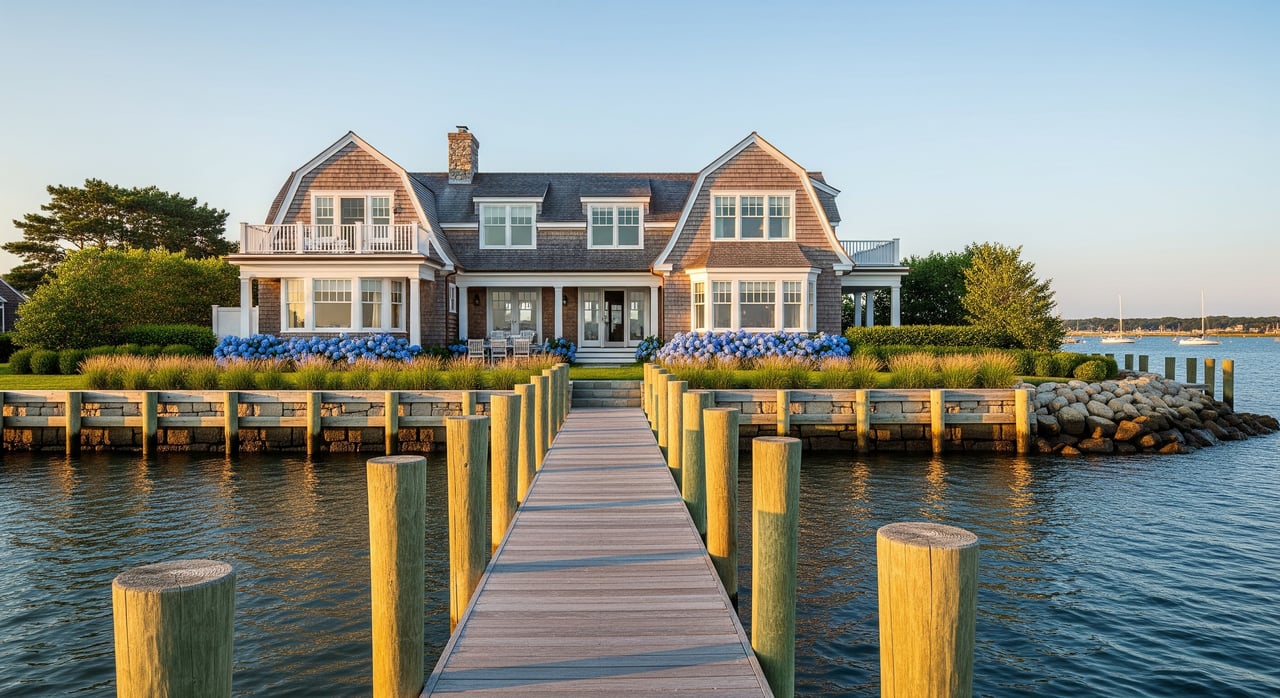
- Permits and shoreline work: Docks, seawalls, and coastal structures may need state or municipal verification. Confirm permitted status prior to closing.
Decision checklist for Mystic homeowners
Follow this simple framework to choose a path and execute with confidence.
- Market diagnostic
- Ask your agent for months of inventory, recent days on market, and how contingent offers have fared in the last 60 to 90 days.
- Financial snapshot
- Calculate two-home carrying costs for 3 to 6 months. Include principal, interest, taxes, insurance, utilities, and maintenance.
- Check equity available and appraisal expectations if you plan a HELOC or bridge loan.
- Get pre-approval and discuss all financing tools early.
- Timing and life constraints
- Identify your non-negotiables like school calendars, work start dates, and preferred move windows.
- If your timeline is fixed and you can carry two homes, buying first may fit.
- Risk tolerance and backup plans
- Decide how long you can carry two homes. If that window is small, favor selling first or use rent-back terms.
- Contract strategy
- Hot market as buyer: Use shorter contingency periods and consider a kick-out if needed. Keep terms clean.
- Hot market as seller: Set a preferred closing date and consider rent-back to reduce your own pressure.
- Shortlist bridge tools
- Obtain quotes for a bridge loan and a HELOC. Compare rates, terms, and fees.
- Price a rent-back if selling first so you can stay in place after closing.
- Legal and insurance checks
- Confirm flood insurance requirements early for any property near the water.
- Engage a local real estate attorney for contracts and occupancy agreements.
- Execution plan
- If selling first: Align your sale closing with your purchase timeline and line up temporary housing.
- If buying first: Lock financing and launch a strong marketing plan to sell quickly after you move.
Sample timelines that work
- Sell first with rent-back: List in late spring, accept an offer, close in 30 to 60 days, then remain in the home for 30 days while you close on your next property.
- Buy first with HELOC: Secure financing and purchase your next home, move in, then list and sell your current home with strategic pricing and staging.
- Contingent purchase: Make an offer with a short sale contingency, provide proof of pre-approval, and use a kick-out clause that you can realistically meet.
Final thoughts
There is no one-size-fits-all answer in Mystic. Your best route comes down to today’s local inventory, your ability to carry two homes, and the coastal details that can stretch a closing. With the right plan, you can time your move, protect your finances, and minimize stress.
If you want a tailored plan that fits your timeline and budget, the Donna Dean Team is here to help with pricing guidance, pre-sale preparation, and contract strategies that work in Stonington and Groton. Get a local game plan that puts you in control. Connect with the Donna Dean Team to get started.
FAQs
What should I consider to buy first or sell first in Mystic?
- Start with inventory and days on market, then weigh your ability to carry two homes for 3 to 6 months and any coastal factors like flood insurance.
How long do typical contingencies last in Connecticut?
- Inspection and financing windows commonly run 7 to 30 days, while sale contingencies are often shorter in competitive markets or paired with a kick-out clause.
How do rent-backs work for Mystic sellers?
- You close, then stay in the home for a set period, usually 7 to 60 days, paying an agreed fee with clear insurance and responsibility terms documented.
How much do bridge loans cost compared to mortgages?
- Bridge loans usually carry higher interest and fees, are often interest-only, and run 6 to 12 months, with exact terms based on your equity and lender.
Will flood insurance delay a coastal Mystic closing?
- It can, since lenders require flood coverage in FEMA zones, so verify the property’s flood status and insurance availability early in your process.
How long does a typical Connecticut closing take?
- Many transactions close in 30 to 60 days, but septic or well work, flood insurance, and shoreline permitting can extend timelines.
What if my home does not sell in time after I buy?
- You can adjust price, enhance marketing, consider a short-term rental, or rely on backup financing like a HELOC or bridge loan that you arranged in advance.