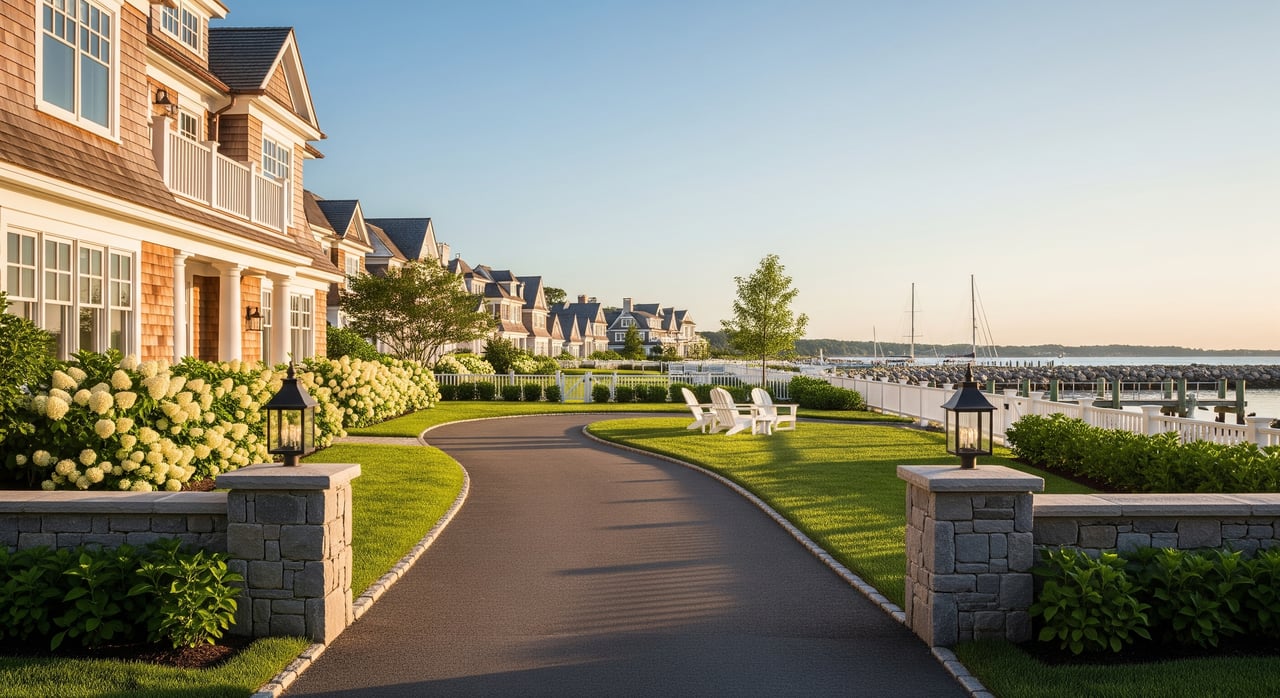
Mumford Cove HOA Basics for Coastal Homebuyers
Thinking about a home in Mumford Cove and wondering how the HOA works? You are not alone. In a private coastal neighborhood like this, the association can shape your daily life, your budget, and your access to the beach and docks. In this guide, you will learn what HOAs do in Mumford Cove, what dues typically cover, which documents to review, and the coastal factors that matter in 06340. Let’s dive in.
Mumford Cove is a private coastal neighborhood near Groton and New London where many services are managed by an association, not the town. Common areas often include roads, landscaping, shoreline access, and beach amenities. These private features are a major lifestyle perk, and they come with rules and budgets that you should understand before you buy.
Ownership types can vary inside or adjacent to Mumford Cove. You might see single-family homes governed by a property owners association, condominiums with their own association, and separate marina or beach associations. Confirm which association or associations govern your specific parcel and what each one covers.
Most associations are led by a member-elected board of directors with officers such as a president, treasurer, and clerk. Committees often handle areas like architectural review, finance, or beach and shoreline management. Some communities are volunteer-run, while others hire a professional management company. Management choices affect response times, service quality, and where you send questions or payments.
Ask for key documents as early as possible, ideally before you waive any contingencies. These files tell you how the community operates and what you are agreeing to follow.
Connecticut law regulates many aspects of common-interest communities and condominium associations. These statutes can shape governance, disclosures, and collection rights. You should also check Town of Groton records to understand whether roads and shoreline parcels are private or public, and whether any public easements affect access. Confirm the timeline and fee for obtaining the association’s resale or estoppel certificate, which shows current dues, arrears, pending assessments, and violations.
Dues fund the services and amenities that define daily life in a private coastal neighborhood. Understanding what is included reduces surprises and helps you compare homes.
Healthy reserve funds help pay for large projects without sudden fee spikes. In coastal settings, major needs can include bulkhead and seawall work, road repaving, dock replacements, or beach nourishment. Ask for the latest reserve study and the community’s reserve funding level. A credible reserve plan reduces the risk of surprise special assessments.
Even well-run associations may levy special assessments for emergencies or large projects. Storm damage, emergency seawall repairs, or litigation can trigger extra costs. Review the past five years of assessments and ask whether any large projects are planned that could require additional funding.
Confirm what the association’s master policy covers and which deductibles might be shared by owners. In coastal areas, flood insurance is often required and can be a meaningful part of your annual cost. Ask what coverage the association carries, what you are responsible for as an owner, and which personal policies are recommended for your property type.
Association rules exist to protect common assets and maintain community standards. They also define how you can use amenities and your property.
Private beach use is typically restricted to members, residents, and their guests. Rules often cover guest limits, parking near the beach, and permitted activities. Expect guidance on topics like fires, pets, and alcohol.
If docks or moorings are managed by the association, you will see rules for slip assignments and fees, vessel size and type, required insurance, and seasonal use. Ask if slips are deeded, leased, or assigned annually, and whether there is a waitlist or transfer rules.
Most coastal associations require prior approval for exterior changes. The process often covers fences, decks, paint colors, docks, and shoreline structures. Plan for submittal requirements and review timelines so your renovation schedule stays realistic.
Street parking, boats, RVs, and commercial vehicles are commonly regulated. Rules may also limit driveway storage or on-lawn parking. Read the fine print if you need space for a trailer, work vehicle, or guest parking.
Expect basic pet and noise rules to promote neighborly living. If you plan to rent your property, review any leasing or short-term rental limits. Some associations require registration or a minimum lease term, which can affect revenue plans.
Enforcement usually begins with notices and can escalate to fines or suspension of privileges such as beach or dock access. Unpaid assessments can lead to liens or foreclosure. Review the association’s enforcement history and consistency to understand how rules are applied.
Stronger rules can maintain property appearance and predictability, which many owners value. The tradeoff is less flexibility on design choices or storage. Private beach and dock access is a premium amenity that often comes with expectations, such as volunteer workdays, guest limits, and adherence to posted rules.
Buying in a shoreline neighborhood means paying attention to flood risk, erosion, and regulated shoreline work. These items can influence insurance costs and future assessments.
Identify the FEMA flood zone for the parcel and ask for elevation certificates or a history of any flood claims. Flood insurance costs can vary based on zone, elevation, and coverage. Confirm whether the association’s policy covers common-area flood damage and how deductibles are handled.
Pin down ownership and maintenance responsibility for seawalls, bulkheads, dune systems, and jetties. Coastal repairs can be expensive and often require permits from state and local agencies. Ask about ongoing or planned shoreline projects and whether bonding or special assessments are being discussed.
Dock and mooring operations usually require permits. Confirm how slips are allocated, what fees apply, and how maintenance is handled. If there is a waitlist, ask about current demand and expected timelines.
Coastal work often requires approvals from Connecticut environmental and coastal management authorities, and sometimes the Army Corps. If there are pending regulatory actions or mitigation requirements, factor those into your timeline and costs.
Collect documents and ask targeted questions so you have a full picture before you close.
When you understand the association’s documents, budget, and rules, you can plan your costs and enjoy the lifestyle that Mumford Cove offers. Give yourself time to request documents, obtain the estoppel or resale certificate, confirm flood zone and insurance costs, and speak with an attorney before waiving contingencies. With the right preparation, you can buy with clarity and confidence in 06340.
If you are weighing a move to Mumford Cove or selling in the Groton and New London area, our team is here to help. The Donna Dean Team pairs deep local coastal expertise with a high-touch process to guide you from first questions through closing. Reach out for tailored advice that fits your goals.


We pride ourselves in providing personalized solutions that bring our clients closer to their dream properties and enhance their long-term wealth. Contact us today to find out how we can be of assistance to you!