Sticker shock from monthly fees can make any home search near Eastern Point feel confusing. Are condo fees really higher than HOA dues, and what do you actually get for that money in 06340? You want a clear picture before you write an offer or map out a budget. This guide breaks down what each fee covers, how reserves and special assessments work, and how to compare communities so you can buy with confidence. Let’s dive in.
Condo vs. HOA fees: the big picture
Condominium association fees typically cover the building exterior, structure, shared systems, and many services in a multi‑unit setting. You own the interior of your unit plus a share of common elements, and the association manages the rest. Because the association maintains more items, monthly condo fees are often higher.
Single‑family HOA dues in subdivisions usually fund common areas and shared amenities only. You maintain your own home exterior, roof, driveway, and yard. Dues are often lower, but your personal maintenance costs are higher and less predictable.
What fees cover in 06340
Condo fees often include
- Exterior maintenance and repairs such as roof, siding, gutters, and painting
- Common area upkeep for lobbies, hallways, elevators, and stairs
- Landscaping and snow removal for shared areas
- Shared utilities for common spaces and sometimes unit water, sewer, or central heat/hot water
- Trash removal and pest control
- Building master insurance and association liability coverage
- Professional management and administrative costs
- Contributions to reserve funds for future capital projects
- Security, on‑site staff, and amenities like pools, fitness rooms, or docks when provided
Single‑family HOA dues usually cover
- Common‑area landscaping, tree care, entrance signage, and lighting
- Private road or sidewalk maintenance when not maintained by the town
- Amenity upkeep such as a playground, pool, or clubhouse
- Community services like trash only if the HOA organizes them
- Administrative costs and covenants enforcement
- Reserve contributions for community assets like fencing, paving, or pool equipment
What fees rarely include
- Your home’s exterior repairs, roof, windows, and driveway (for single‑family)
- Interior repairs, appliances, and HVAC service
- Individual flood insurance for any owner, even in a flood zone
Coastal factors near Eastern Point
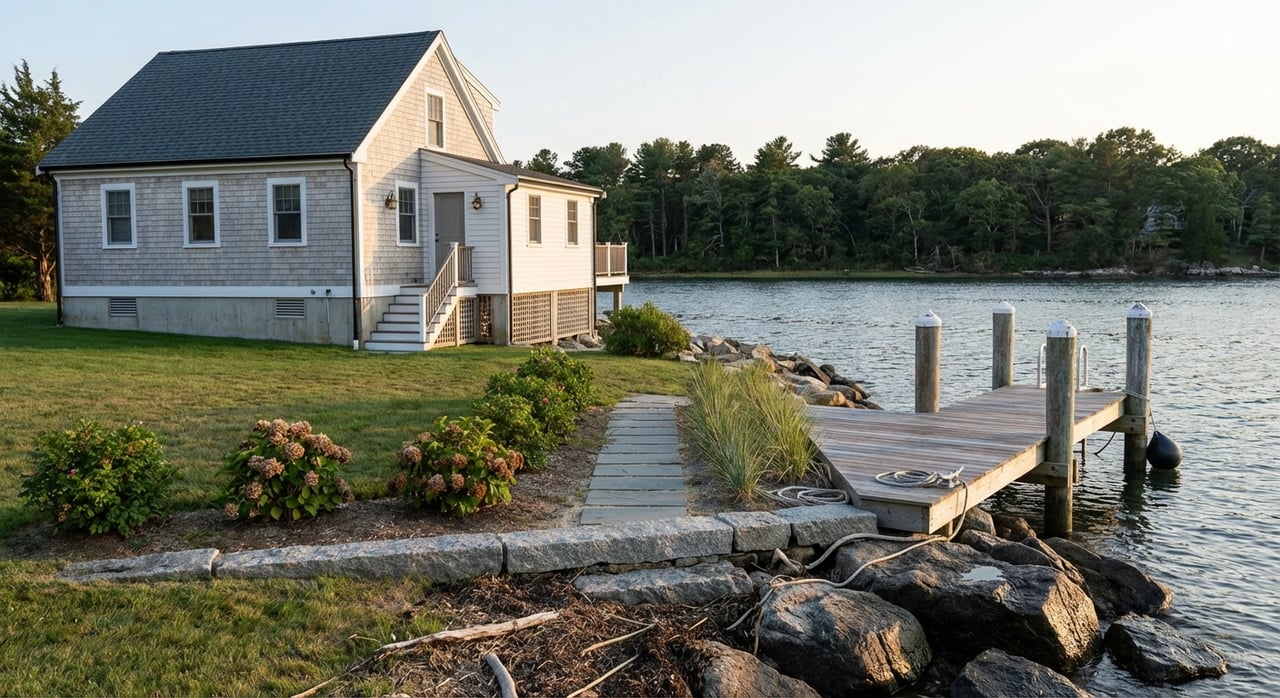
Shared marine infrastructure can be a major fee driver. If a community owns docks, boat slips, pilings, seawalls, or bulkheads, confirm who pays for maintenance, dredging, and shoreline stabilization. Slip assignments, wait lists, and separate slip fees can affect your total cost.
Flood risk is mapped along the New London–Groton shoreline. If the property is in a higher flood zone, you may need flood insurance. In coastal Connecticut, insurers sometimes use higher wind or hurricane deductibles. Understand what the association’s master policy covers and what falls to you.
Municipal services vary. Confirm which roads are public versus private and whether sewer and trash are municipal or handled by the association. These details change the mix of fees versus personal bills.
Reserves and special assessments
How reserves work
Reserve funds pay for big items such as roofs, paving, siding, elevators, pool equipment, or shoreline structures. A reserve study estimates each component’s remaining life and replacement cost and recommends annual contributions. Strong reserves help avoid surprise special assessments.
Healthy signs vs red flags
- Healthy signs: A recent reserve study within the last 1 to 3 years, a clear funding plan, regular contributions in the budget, and transparent reserve balances.
- Red flags: No study, an outdated study, very low reserves relative to expected liabilities, repeated or large special assessments, or frequent complaints and litigation about deferred maintenance.
Your questions to ask
- What does the fee include line by line, including utilities and reserves?
- When was the last reserve study, and are recommended contributions being made?
- What is the current reserve balance and where is it held?
- Any special assessments planned or recently levied? For what projects and how allocated?
- Any major deferred maintenance, litigation, or upcoming projects like roof, siding, seawall, dredging, or utility upgrades?
- Owner‑occupancy percentage and any rental restrictions that could affect financing or resale?
- Wind or hurricane deductible amounts and whether flood insurance is required for owners.
Insurance, utilities, and taxes
Insurance basics
- Condominiums: The association carries a master policy on the building and common areas. You typically carry an HO‑6 policy for interior finishes, personal property, personal liability, and loss assessment coverage in case the association’s deductible or losses trigger an assessment.
- Single‑family in an HOA: You carry a full HO‑3 homeowner policy that covers the structure and contents. The HOA insures only common areas.
- Coastal note: Percentage‑based wind or hurricane deductibles are common. Understand your exposure after a storm.
Utilities and municipal services
Condo fees may include water, sewer, or trash. Single‑family owners often pay these directly. Property taxes are billed to you in all cases, regardless of fee structure. Confirm who provides sewer and trash service for each property you consider in 06340.
How to compare communities
Documents to request
- Current operating budget and prior year actuals
- Most recent reserve study and statements showing reserve balances
- Bylaws, declarations or CC&Rs, and community rules
- Certificate of insurance and details on wind or hurricane deductibles
- Minutes from the last 12 to 24 months of board meetings
- Any planned capital projects, special assessments, or litigation
- Accounts receivable aging report for delinquent owners
- Management agreement and manager contact information
- Rental rules and owner‑occupancy percentages
Questions for the board or manager
- What exactly is included in the monthly fee?
- Are any assessments planned and how will they be billed?
- When was the last reserve study and who prepared it?
- What is the reserve balance today and where is it held?
- Any major maintenance deferred or upcoming in the next 3 to 5 years?
- How are docks or slips assigned and maintained, and are there separate fees?
- Any financing challenges such as high investor concentration or litigation?
Simple monthly budget planner
- Start with the monthly fee amount.
- Add utilities and services not included such as electricity, gas, internet, and cable.
- Add expected insurance premium. Use HO‑6 plus loss assessment coverage for condos, or HO‑3 for single‑family.
- Add property taxes and any municipal water or sewer charges.
- Add a contingency for potential special assessments. For higher‑risk associations, consider saving 1 to 3 percent of the purchase price annually.
- If coastal, add flood insurance if required and plan for higher wind or hurricane deductibles.
Buyer workflow for 06340
Before you write an offer
Obtain and review the budget, reserve study, insurance certificate, bylaws, and meeting minutes. Ask your lender to confirm project eligibility for your loan type, especially if you plan to use FHA or VA. Ask the seller about past assessments and clarify which components are your responsibility.
During contingencies
Read board minutes for signs of deferred maintenance or big projects coming. Get quotes from an insurance agent for homeowners and flood coverage. Consider consulting a Connecticut real estate attorney who knows condo and HOA law to review key documents and explain lien and collection rights.
After closing
Budget for fees and set aside savings for assessments or higher coastal insurance costs. Attend association meetings so you understand upcoming projects, timelines, and how decisions are made.
Which path fits you?
If you want low‑maintenance living and predictable building care, a condo near Eastern Point can deliver convenience even if the monthly fee is higher. If you prefer control over your property and do not need shared amenities, a single‑family home with lower HOA dues may fit your style and budget. In either case, the best value comes from strong reserves, clear budgets, and transparent governance.
Ready to compare specific communities and run the numbers for your short list in 06340? Reach out to the Donna Dean Team for local guidance tailored to your goals.
FAQs
What is the difference between condo fees and HOA dues in Eastern Point?
- Condo fees cover the building exterior, structure, and many shared services, while single‑family HOA dues usually pay only for common areas and amenities.
Do condo fees in 06340 include insurance for my unit?
- The association’s master policy covers the building shell and common areas; you typically need an HO‑6 policy for interior finishes, personal property, liability, and loss assessment.
How can I spot underfunded reserves in a community?
- Look for no recent reserve study, very low reserve balances, and a history of frequent or large special assessments in board minutes and budgets.
Are flood insurance and wind deductibles included in fees near the coast?
- Flood insurance for your unit or home is usually your responsibility, and wind or hurricane deductibles on the master policy can increase your out‑of‑pocket exposure.
Will a condo’s status affect FHA or VA financing in 06340?
- Yes. Some condo projects do not meet program requirements, and lenders review documents, reserves, occupancy, and litigation, which can affect loan availability and costs.