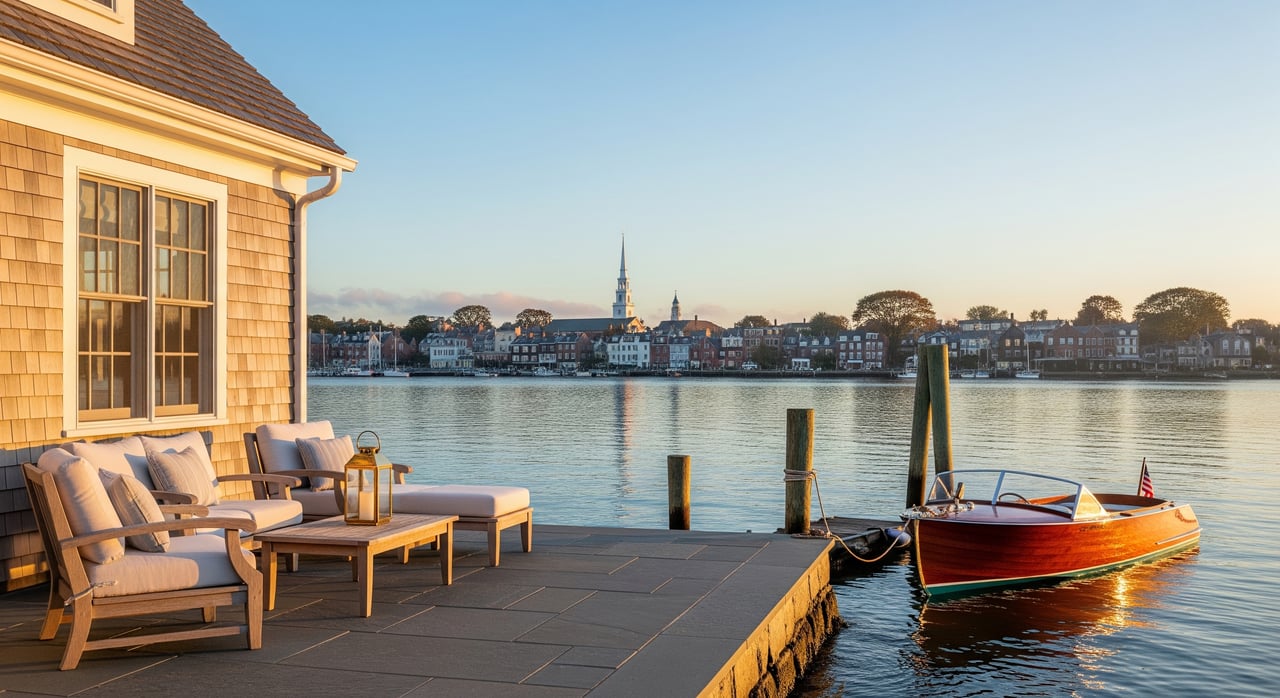
Choosing Between Mystic CT Waterfront Homes and In-Town Living
Torn between waking up to Mystic River views or strolling to coffee on Main Street? It is a great problem to have, and the right choice depends on how you want to live day to day. You deserve a clear, local roadmap that compares lifestyle, convenience, risk, and costs without the guesswork. In this guide, you will learn the key trade-offs between Mystic waterfront and in-town historic living so you can pick your best fit with confidence. Let’s dive in.
Mystic spans two towns. The west side is in the Town of Groton and the east side is in the Town of Stonington. That means different tax assessments, mill rates, permitting processes, and school districts apply depending on where a property sits.
Before you fall in love with a street or a view, confirm the town on the property record. The Town of Groton and the Town of Stonington publish assessor and planning information that affect taxes and renovations. Knowing which town you are in helps you compare total costs and understand approvals for any future projects.
Key areas to know:
Mystic offers two strong lifestyles. Your choice comes down to what you want outside your front door.
If you value errands on foot, in-town addresses near Main Street are typically more walkable. Shops, restaurants, museums, and basic services cluster here. Walkability varies by block, so it helps to check a specific address using Walk Score.
Waterfront pockets closest to downtown can also be walkable, especially along streets near the river. Many other waterfront homes are lower density, which means you will likely drive for groceries and daily needs.
Expect more pedestrian activity, dining, and nightlife on historic in-town streets. In summer, downtown is busy with visitors and events, which many residents enjoy for the energy and convenience.
On the water, you will trade some privacy for boat traffic and harbor activity in peak season, along with views and access that are hard to beat. Many waterfront areas feel notably quieter in the winter months.
Downtown has year-round residents and services, but late spring through early fall is the high season. Festivals and Mystic Seaport Museum events bring energy to the core. Waterfront neighborhoods often feel relaxed and peaceful in the off-season, which some buyers prefer for a retreat-like setting.
I-95 is the main regional artery, with Route 1 and local roads handling most local trips. Southeastern Connecticut is car oriented, and traffic increases during tourist season.
Common commuter destinations include Groton and New London for military, shipyard, and manufacturing, as well as Norwich and other regional employers. Providence and Hartford are generally reachable by car in about one to one and a half hours depending on traffic. Regional rail service is available from nearby New London and Old Saybrook for intercity trips. If you plan frequent commuting, try the drive at your typical time to compare routes from both neighborhoods.
Flood exposure is one of the most important differences between waterfront and in-town living. It is also highly specific to each property.
Mystic sits on a tidal estuary that connects to Long Island Sound. Many riverfront parcels fall within FEMA Special Flood Hazard Areas, labeled A, AE, or VE. Use the FEMA Map Service Center to review flood maps for any property you are considering.
If your lender determines that a property lies in a Special Flood Hazard Area, flood insurance will be required. Even homes outside mapped zones can benefit from flood coverage, especially along tidal creeks and low-lying areas. Coverage may be available through the National Flood Insurance Program or private carriers. Elevation certificates, floodproofing measures, and community programs can influence pricing. An experienced local insurance broker can provide quotes for a specific address.
Waterfront homes often have seawalls, bulkheads, docks, or moorings. Construction or repair of these structures in tidal waters usually requires permits from the Connecticut Department of Energy and Environmental Protection. Review CT DEEP coastal permitting guidance and confirm whether federal permits from the U.S. Army Corps of Engineers apply. Maintenance and replacement costs should be part of your long-term budget.
Sea-level rise and coastal flooding projections are part of smart due diligence. The Connecticut Institute for Resilience and Climate Adaptation (CIRCA) offers resources that help you understand medium and long-term risk trends along the coast. Your agent can help you use these tools alongside local knowledge to evaluate properties.
Many in-town Mystic streets include historic homes. Some areas are listed on the National Register of Historic Places and may fall under local historic district rules. Exterior changes often require review by a historic district commission. Plan ahead by contacting the appropriate town office early in your planning through the Town of Groton or Town of Stonington websites.
Older homes can come with aging systems, lead paint considerations, and projects like window repair or heating upgrades. Preservation standards may guide how you complete those improvements. Factor review timelines and potential materials choices into your renovation schedule.
Waterfront properties typically command a premium compared with similar non-waterfront homes. That premium varies based on whether you have direct frontage versus a view, private dock or mooring, depth and protection of the water, exposure to wind and weather, and the condition of shoreline structures.
In-town historic homes close to Main Street can also command strong prices due to walkability and year-round community. Condominiums and townhouses near the core may appeal to downsizers who want low-maintenance living close to restaurants and shops.
Because the local market is seasonal and influenced by second-home demand, it pays to review recent comparable sales for your specific micro-area. A focused analysis will account for waterfront features, historic restrictions, and updates that influence value.
Differences in municipal services can affect both lifestyle and cost of ownership.
Groton and Stonington set their own mill rates and assess properties separately. The best way to compare taxes is to review the actual tax cards for candidate homes. Start with the assessor information published by the Town of Groton and the Town of Stonington and ask your agent for a side-by-side estimate.
Sewer availability is common in and near downtown, while some waterfront and outlying parcels may rely on septic systems. Public water, natural gas, and broadband vary by street. Confirm utility hookups and capacity before planning additions or major renovations.
School assignments depend on which town the property is in. For an objective view of school performance, review the Connecticut State Department of Education’s resources and profiles at the CT Department of Education. For specific assignments and transportation, check each town’s school district pages.
Use this quick plan to compare options with a clear head.
You might lean waterfront if:
You might lean in-town if:
Choosing between Mystic’s waterfront and in-town living takes local context: town lines, flood zones, historic rules, and micro-neighborhood nuances. Our team pairs decades of coastal experience with data-driven guidance to help you weigh lifestyle, risk, and value. Whether you are buying a year-round home or a seasonal retreat, we will surface the right options, coordinate insurance and permitting conversations, and negotiate with clarity so you move forward confidently.
Ready to compare specific properties and neighborhoods that match your goals? Connect with the Donna Dean Team to get a tailored plan and on-the-ground insights.


We pride ourselves in providing personalized solutions that bring our clients closer to their dream properties and enhance their long-term wealth. Contact us today to find out how we can be of assistance to you!