
Considering a Groton Long Point Second Home?
You want a place that feels like summer the moment you arrive, but still works for a long weekend in October. Groton Long Point offers a compact coastal setting with beaches, small‑boat access, and a tradition of seasonal living that many second‑home buyers love. At the same time, owning on a private point means learning the rules, planning for storms, and being ready to act when a rare listing appears. This guide walks you through daily life, association governance, the housing stock, risks, and a practical buyer checklist so you can decide with confidence. Let’s dive in.
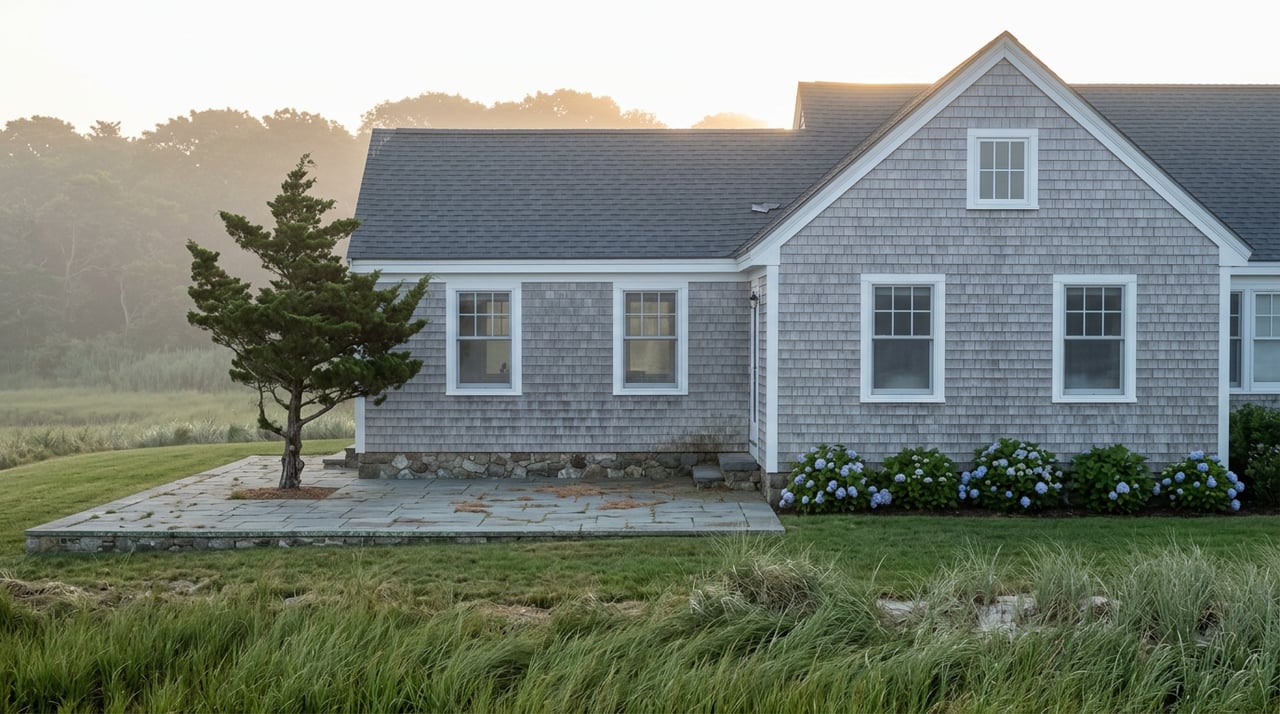
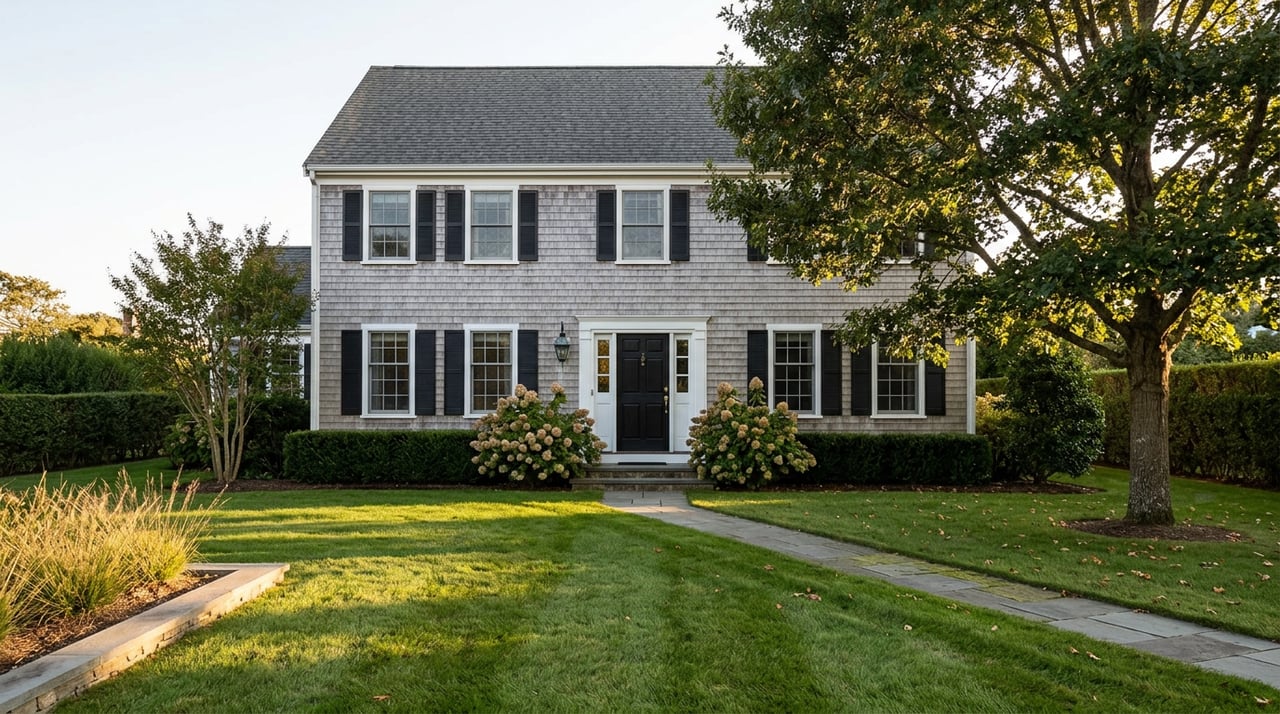
Groton Long Point is a historic seaside enclave on a peninsula in the town of Groton. The scale is intimate, with short walks to the water and a neighborhood feel. Many homes are classic cottages, and you’ll see renovation projects as owners update properties while keeping the coastal character.
Summer is lively. Beaches and small bathing areas serve residents and their guests, and you’ll see small boats heading out, kids on bikes, and neighbors gathering for seasonal events. Community recreation typically includes features like playgrounds and courts, and the layout makes walking a natural part of the day. Plan for a social, beach‑forward routine focused on the water and local gatherings.
Outside peak months the point quiets down. It shifts from summer hub to a calm residential setting, with less foot traffic and fewer events. If you plan to visit year‑round, check winter readiness for any home you consider, and expect to drive to nearby Groton, Mystic, or New London for dining and services when seasonal spots reduce hours.
Groton Long Point operates under a homeowners association that manages beaches, common areas, and community guidelines. This structure preserves the private, residential character many buyers want, but it also means you agree to shared rules.
Many private coastal points manage access with seasonal gatehouses, badges, or guest procedures. Policies can evolve, so you should confirm current rules directly with the association. If you plan to host friends frequently, factor guest logistics and parking into your decision.
Housing on the point is finite, and lots are small by suburban standards. That creates a charming streetscape and short walks to the water, but it also limits inventory and space for large expansions.
Listings can be infrequent because the peninsula is small and many owners hold properties for years. When the right home appears, well‑prepared buyers often move quickly. If you’re out of area, consider pre‑approval, dedicated travel windows, and a plan to evaluate flood, insurance, and association details fast.
Waterfront living is special, and it comes with extra due diligence. Before you fall in love with a porch view, map out insurance, storm readiness, and maintenance.
Much of the shoreline is subject to flooding, storm surge, and coastal erosion risk. Many properties sit in FEMA‑mapped flood zones. To plan well:
Salt air accelerates wear on decks, fasteners, siding, and mechanicals. Many older cottages need upgrades for insulation, heating, and plumbing protection if you want winter use. Line‑item costs vary by property, but you should budget for more frequent exterior maintenance, periodic repainting, and system updates over time.
Property taxes are assessed by the Town of Groton. Association dues are typically separate and support beaches and common areas. Confirm whether the property is on public sewer or on‑site septic, review water supply details, and ask about trash collection and parking protocols. If you’re comparing two homes, request utility histories and any recent assessments to understand total carrying costs.
You will drive off the point for most errands. Grocery stores, healthcare, pharmacies, and boat services are in Groton, Mystic, Stonington, and New London. The area offers historic downtowns, marinas, and ferry links within a short drive, which broadens your options without changing the quiet feel on the point itself.
Groton Long Point tends to resonate with buyers who value a private, neighborhood‑scale setting with association‑managed beaches and small‑boat access. If you want summer traditions, short walks to the water, and a calmer shoulder season, the fit can feel natural. Comfort with community rules and a willingness to plan for coastal risk are important.
If you want abundant nightlife, year‑round dining at your doorstep, or full‑service marinas right in the neighborhood, you may find the pace too quiet. Investors who rely on flexible short‑term rental income should confirm rules early, as association or local regulations can limit options.
If your vision includes morning beach walks, small‑boat outings, and a close‑knit coastal setting, GLP checks the boxes. You trade immediate retail and nightlife for private beaches and a preserved neighborhood character. The smartest path is to pair daydreaming with due diligence, including insurance quotes, association rules, and a clear plan for maintenance and winterization. With that groundwork, you can decide if GLP’s unique rhythm matches the way you want to use a second home.
Ready to explore listings, confirm the fine print, and compare GLP to nearby shoreline options? Reach out to the Donna Dean Team for local guidance, second‑home expertise, and a plan tailored to your goals.


We pride ourselves in providing personalized solutions that bring our clients closer to their dream properties and enhance their long-term wealth. Contact us today to find out how we can be of assistance to you!