Wakefield RI Walkable Living And Everyday Convenience
If your ideal day includes coffee, quick errands, and a riverside stroll all within a short walk, Wakefield in 02879 deserves a closer look. As a village within South Kingstown, it anchors everyday life for nearby neighborhoods with practical services and a compact commercial core. You may be weighing commute options, grocery access, and how summer seasonality changes your routine. In this guide, you’ll learn how walkable life works here, what daily conveniences to expect, how beaches and parks fit in, and a simple buyer checklist to test lifestyle fit. Let’s dive in.
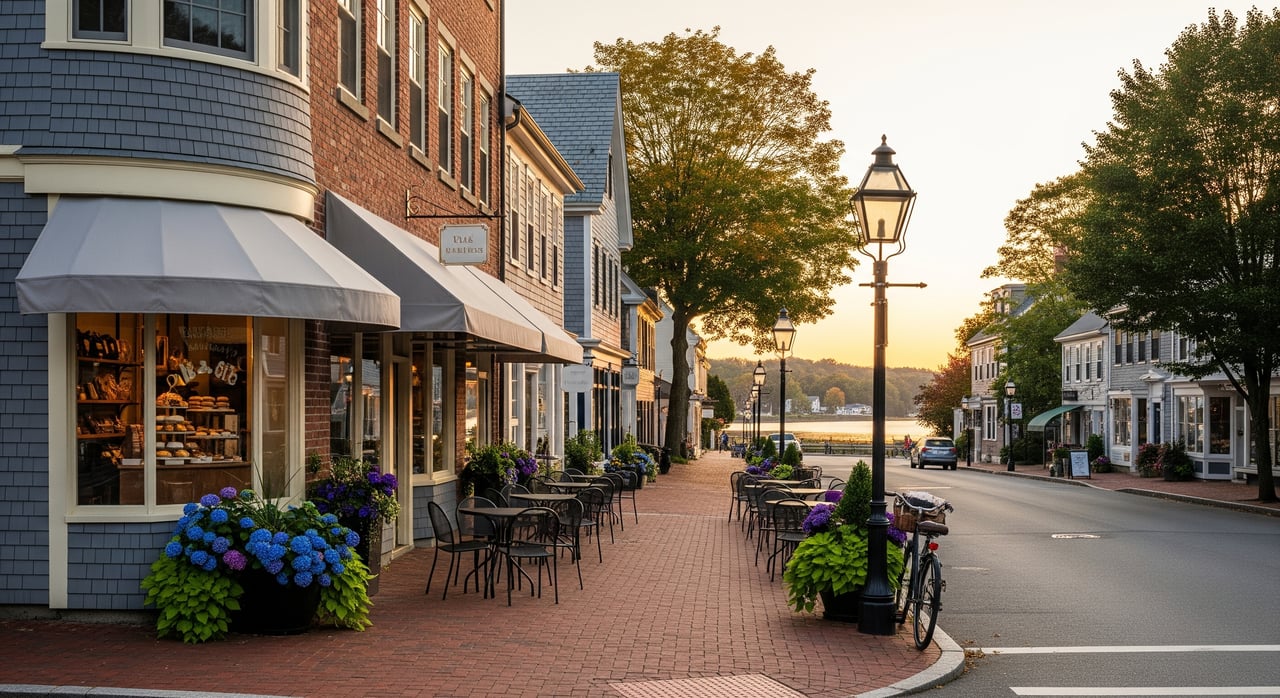
Wakefield’s village center functions as the primary cluster of shops, services, and civic spaces for 02879. That core is where you’ll find a mix of restaurants and cafés, small retailers, and everyday services. The closer you live to this area, the more likely your daily routine can happen on foot.
Use time, not just distance, when you assess walkability. Five minutes is roughly a quarter mile, 10 minutes about a half mile, and 15 minutes about three quarters of a mile. When you tour a property, convert map distances into lived minutes for errands like grocery runs or pharmacy pickups.
A defining strength of Wakefield living is access to daily essentials in or near the commercial area. You can expect at least one full-service supermarket within a short drive and smaller markets or specialty food shops across South County. Pharmacies, convenience stores, and gas stations typically cluster around the village core or along nearby arterials.
For daily money and mail needs, banks or credit unions and postal services are part of the local mix. The South Kingstown Public Library system has branches that serve as community hubs, with programs and resources that support a walkable routine.
Healthcare access is a practical consideration. Primary-care and urgent-care clinics are usually a short drive away in South Kingstown or neighboring towns. Larger hospitals are in the Providence metro and other regional centers, but for day-to-day living, proximity to a clinic and a pharmacy often matters more.
You’ll find locally owned cafés, casual restaurants, and bakeries in and around the village center. Many operate year-round, yet hours and offerings can shift with the season. Small retailers like gift shops, boutiques, and hardware or housewares stores round out daily errands and add to the walkable feel.
Public schools that serve addresses in 02879 are part of the South Kingstown system. School locations and pick-up or drop-off traffic patterns can shape your morning and afternoon schedule. If schools are part of your decision, plan a practice run during typical bell times to see how long the trip takes.
Wakefield sits near river corridors, local parks, and neighborhood green spaces that work well for short walks and passive recreation. These routes bring scenic river views into your daily routine without a long drive. Regional conservation lands and refuges across southern Rhode Island are also within reasonable driving distance and provide trails, birding, and larger open-space experiences.
A major lifestyle draw is proximity to South County beaches. Public beaches and coastal access points in South Kingstown and nearby towns are reachable by car. Travel times vary by season and traffic, so test your preferred route during both quieter months and peak summer. State-managed beaches have posted rules, fees, and lifeguard schedules that change by season, which can affect when and how you go.
Summer increases demand for parking and popular dining spots. Quieter months usually mean easier access to parks and short trips around the village, while some seasonal businesses reduce hours or close. Plan for both rhythms to get a full picture of year-round life.
Public transit is available through Rhode Island Public Transit Authority routes that serve South County and connect South Kingstown to nearby towns and regional hubs. Many commuters use bus options or drive to park-and-ride facilities. There is no direct commuter rail service in South Kingstown, so plan for a bus or driving connection for rail.
Driving remains the most common way to handle errands and work trips in this region. If you commute to Providence or other employment centers, check typical peak-hour drive times over a normal week. Regional destinations like Newport, Westerly, and southeastern Connecticut are also within driving range for work or leisure.
Bike infrastructure quality varies by street. Village cores tend to be bike friendly at lower speeds, though dedicated lanes may be limited. Off-street paths and regional rail-trail segments can improve recreational rides and some commutes where they exist. Topography and seasonal conditions matter, so consider winter ice, wet sidewalks after storms, and sandy shoulders closer to shore.
On-street parking and small public lots support the village businesses. In residential areas, parking setups range from driveways to limited on-street options. If your household has multiple cars or frequent guests, factor in parking capacity at home and near your usual destinations.
Use this on-the-ground checklist during property tours to see how Wakefield living aligns with your daily routine.
If your home sits within a 10-minute walk of the village core, you can build a daily rhythm where coffee, pharmacy runs, and library visits happen on foot. If you are a 10- to 15-minute drive from the center, you may prefer to cluster errands by car, then use parks and the river corridor for evening walks. Summer brings more visitors and fuller restaurants, while winter makes village trips calmer and parking easier. Both seasons can work well if you plan your errands and beach days with realistic timing.
The key is to match your most frequent activities to the location. Map your commute, test the walk to essentials, and compare parking setups at home and in the village. With a clear checklist and a few timed trials, you will quickly see how Wakefield’s walkable hubs and everyday conveniences fit your lifestyle.
Ready to explore homes that align with the way you live in 02879? The Donna Dean Team pairs decades of local insight with hands-on guidance to help you find the right fit in South County.


We pride ourselves in providing personalized solutions that bring our clients closer to their dream properties and enhance their long-term wealth. Contact us today to find out how we can be of assistance to you!