Waterfront Appraisals in Watch Hill: Key Value Drivers
Is a waterfront view always worth more? In Watch Hill, it often is, but how much it adds to your home’s appraised value depends on far more than the scenery. You want clarity before you list or make an offer, especially when unique features, flood zones, and permits come into play. In this guide, you’ll learn what drives value on the water in Watch Hill, how appraisals differ from standard homes, and what documents help you show value with confidence. Let’s dive in.
High-end waterfront homes in Watch Hill are rarely alike. Unique lots, historic details, and amenities like private beach frontage or a boathouse limit truly comparable sales. Appraisers often expand the search area and time frame and rely on carefully supported adjustments. When sales data is thin, the cost approach can play a larger role.
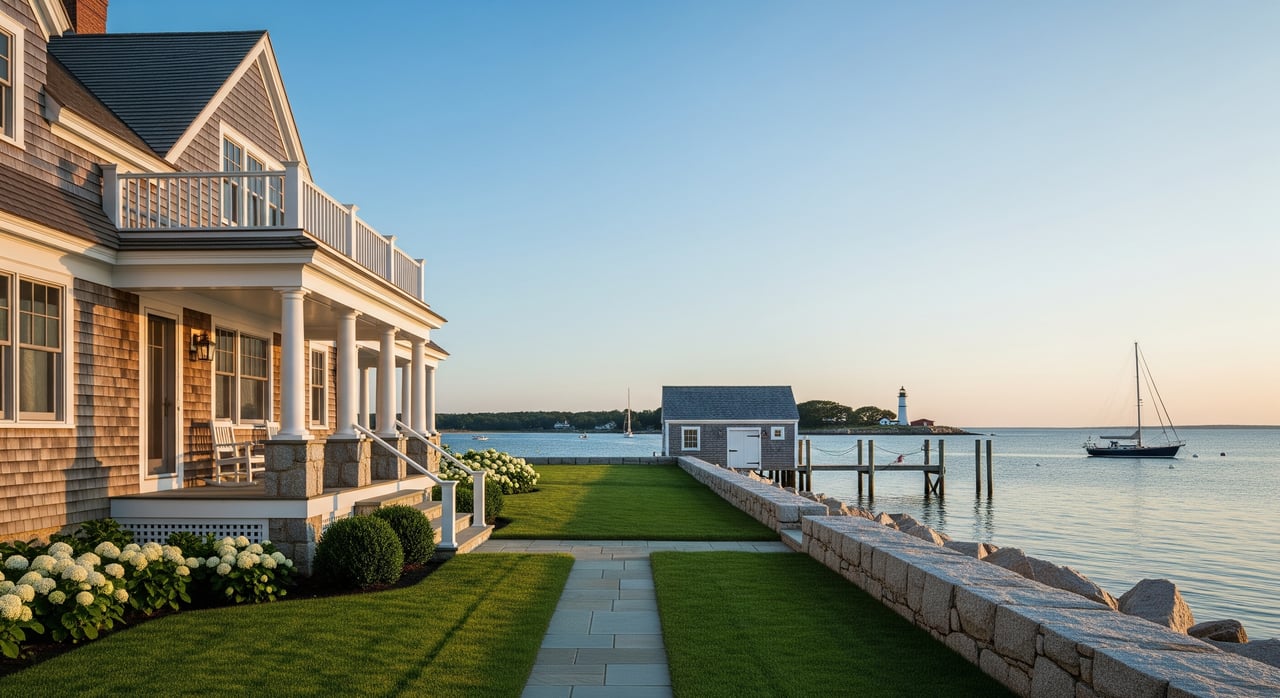
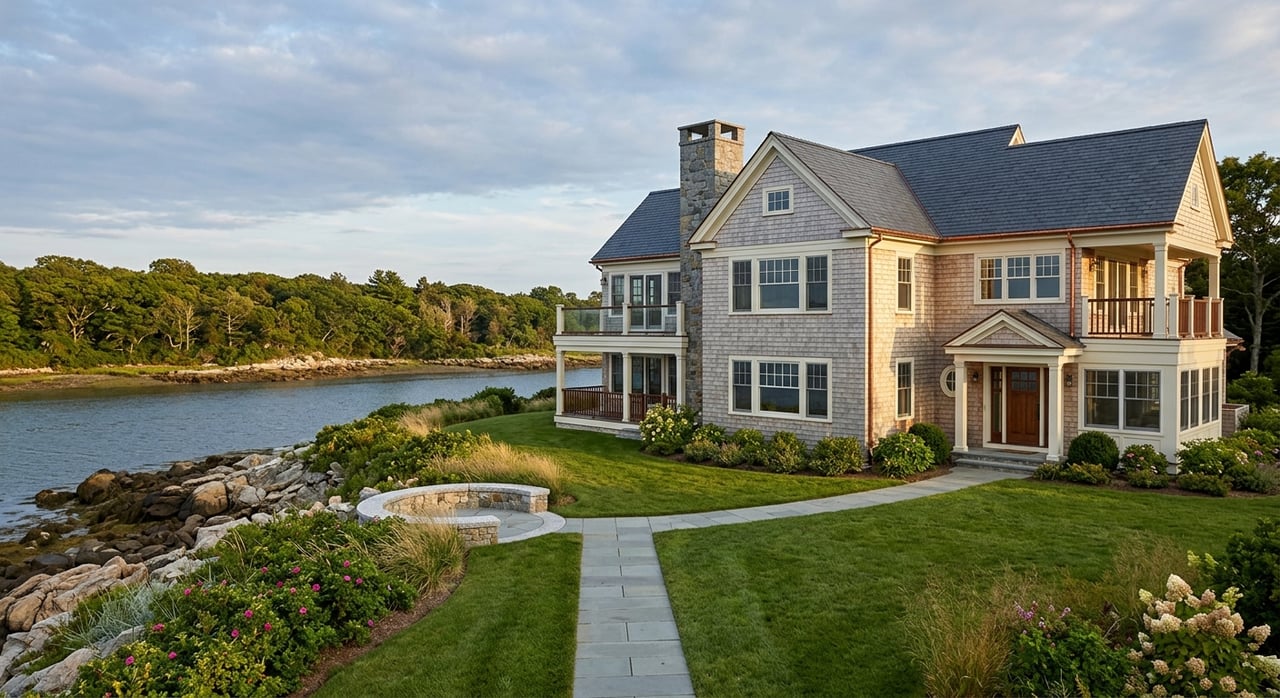
Unobstructed ocean or harbor vistas, privacy, and orientation can command significant premiums. Appraisers weigh view quality and permanence, factoring in risks of future obstruction. The shoreline type matters too. Sandy beach frontage, tidal rock, or a protected cove will not carry the same market reaction, so adjustments must be tied to real sales evidence.
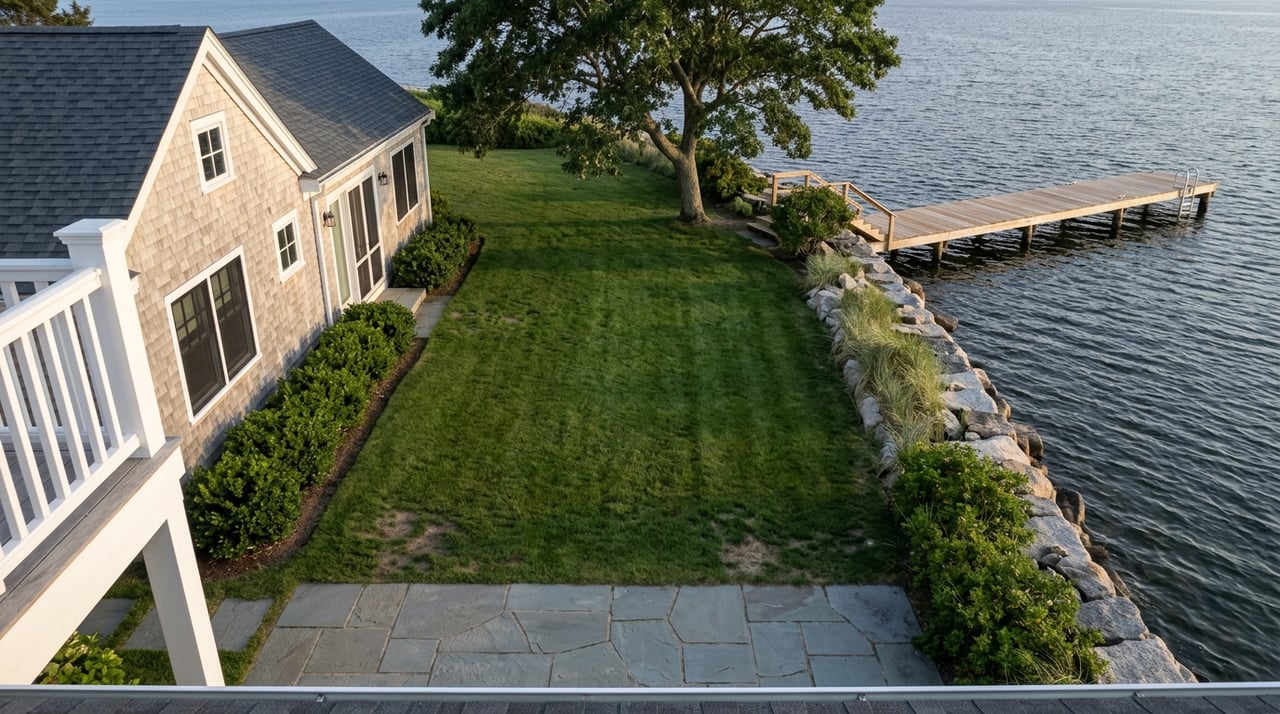
Coastal risk directly affects value and insurability. Exposure to storm surge, erosion, or a deteriorated seawall can create functional or economic obsolescence. Appraisers document these conditions and consider the cost to cure. Market behavior around risk and insurance costs is part of the analysis when buyers and lenders recognize it.
Littoral rights, dock or mooring permissions, and recorded easements influence utility and marketability. Title restrictions, public trust limitations, or unclear shoreline boundaries can reduce value. Appraisers seek permit histories and surveys to confirm what rights transfer and where the mean high-water line lies.
Watch Hill is a small, coveted coastal village within Westerly in Washington County, Rhode Island. Desirability is driven by privacy, beaches, and historic character. In a market with limited supply, scarcity itself supports premiums for rare parcels and protected views.
Many Watch Hill properties lie within mapped Special Flood Hazard Areas. Being in a V zone typically triggers stricter building and insurance requirements than an AE zone, which can reduce marketability compared with similar non-floodplain homes. The FEMA Flood Map Service Center provides current panels and base flood elevations that lenders and appraisers rely on.
The Rhode Island Coastal Resources Management Council regulates docks, piers, seawalls, and other shoreline structures. Permit status can impact both a property’s current utility and the cost or feasibility of future work. Appraisals consider whether a dock is legally permitted and transferable and whether shoreline protection was built to code. You can review permit needs and policies through the Rhode Island Coastal Resources Management Council.
Regional studies point to rising sea levels and stronger coastal storms. Buyers and lenders sometimes price in these risks through insurance expectations and mitigation costs. For context on future exposure, many owners review the NOAA Sea Level Rise Viewer. Appraisers focus on documented current market reactions, such as pricing or longer days on market tied to risk disclosures.
Some Watch Hill homes are historically significant. Historic status can increase desirability but may also add costs or constraints for renovations and rebuilds. These factors can influence both the cost approach and the market’s reaction to a property’s flexibility.
Expect more granular adjustments for waterfront-specific features. Appraisers document differences in water frontage length, shoreline type, view quality, elevation relative to base flood elevation, dock and boathouse status, seawall condition, and outdoor living areas. With fewer comps, geographic or time adjustments must be justified with data.
When a property is truly one-of-a-kind or recent comparable sales are scarce, the cost approach gains weight. Replacement cost must reflect coastal construction realities, such as elevation requirements, pile foundations, and specialized materials. Depreciation also accounts for any functional issues and shoreline maintenance needs.
Some waterfront homes generate short-term rental income or include rentable slips. In these cases, an income approach can help support value. Appraisers look for reliable income histories and local rent comparables and will reconcile this with the sales and cost approaches.
Many Watch Hill transactions exceed conforming loan limits. Jumbo lenders often require full interior and exterior inspections, conservative review standards, and sometimes a second appraisal. Conforming loans that do apply follow national appraisal standards, and lenders may add coastal overlays.
If a home is in a mapped flood zone, lenders usually require flood insurance. An elevation certificate, prepared by a licensed surveyor, can materially change National Flood Insurance Program premiums and underwriting outcomes. The FEMA Flood Map Service Center is the primary source for current mapping, and your lender’s conditions will reference it.
Coastal coverage often means both flood and windstorm policies. In high-risk areas or where there is a history of claims, insurers may limit coverage or require higher deductibles. If the market recognizes increased premiums with lower buyer demand, appraised value can reflect that trend.
After storm events or substantial improvements, code requirements can trigger elevation or more expensive rebuilds. Lenders may require documentation that shoreline features were legally permitted, built to code, and are privately maintained. These realities influence underwriting and the length of closing timelines.
Create a property file that removes guesswork and supports the appraiser’s analysis:
If a seawall or bulkhead shows deterioration, consult a qualified marine contractor for an estimate and timeline. Document the condition with dated photos and any engineering reports. Permitted, code-compliant repairs can improve marketability when they increase utility or address risk.
Clarify what view corridors are protected and where access is private or shared. If vegetation management or neighboring development could alter future views, note what is permitted today and include any supporting documentation.
Your due diligence should cover title, littoral rights, and any easements that affect access or future use. Verify dock or mooring permissions with CRMC records and ask for evidence that permits are transferable.
Review the mapped flood zone, base flood elevation, and the current elevation certificate. Ask for current flood and wind policies and quotes. Consider the long-term context using the NOAA Sea Level Rise Viewer.
Request maintenance histories for seawalls and shoreline structures, along with any engineering recommendations. Understand local rules that could affect post-storm rebuilding, including elevation or material requirements.
If your purchase requires a jumbo loan, build in time for full inspections, potential review appraisals, and document collection. Review appraisal standards referenced by lenders, such as those found in the Fannie Mae Selling Guide, so you know what to expect.
For a smoother appraisal and closing, assemble the following early:
Waterfront appraisals in Watch Hill are different because waterfront homes are different. Value turns on a handful of factors that standard homes rarely face: view quality and permanence, shoreline type and condition, flood zone and elevation, documented rights, and regulatory realities. When you prepare the right documents and understand how lenders, insurers, and appraisers look at risk and replacement costs, you protect your price and your timeline.
Ready to position your Watch Hill home for maximum value or to buy with confidence on the water? Reach out to the Donna Dean Team for local guidance, curated marketing, and a clear plan from prep to closing. Get Your Free Home Valuation.

We pride ourselves in providing personalized solutions that bring our clients closer to their dream properties and enhance their long-term wealth. Contact us today to find out how we can be of assistance to you!