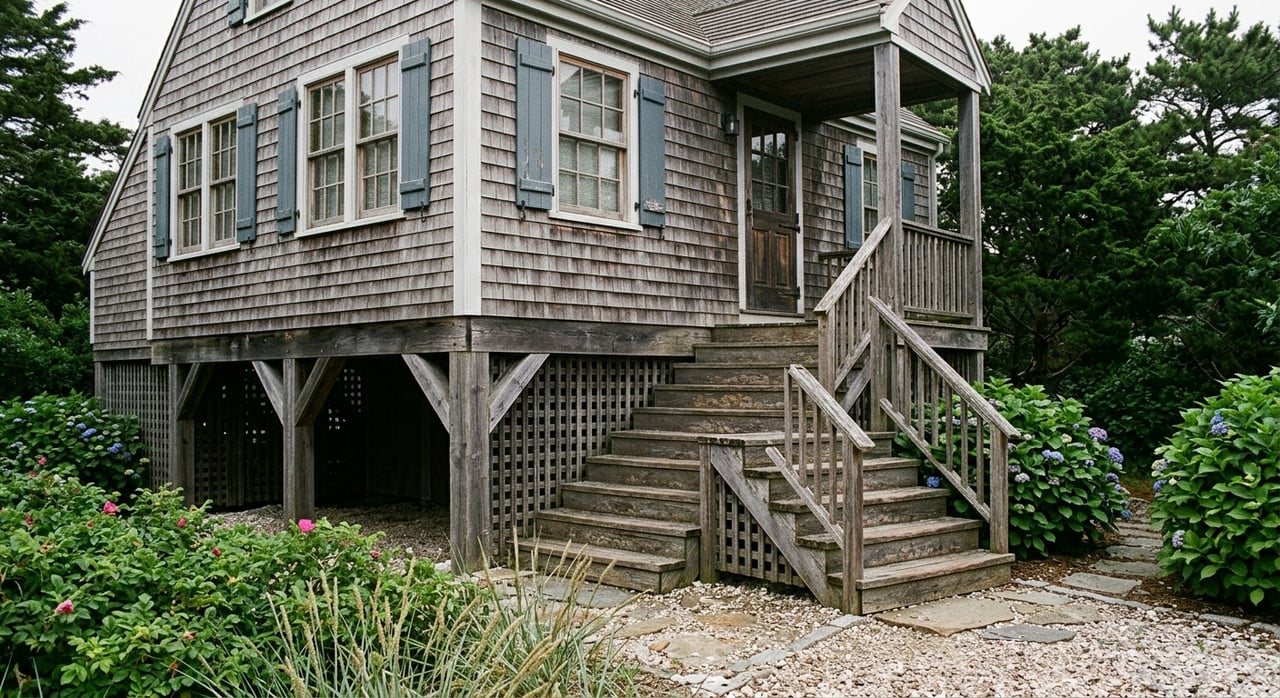
How to Sell a Point Judith Beach House With Confidence
If you own a seasonal home in Point Judith, timing and preparation can shape your entire sale. Coastal buyers often move with the rhythm of beach season, but they also ask detailed questions about rentals, flood risk, septic systems, and shoreline access before they commit. When you understand those moving parts early, you can price and position your property with more confidence. Let’s dive in.
Point Judith sits within Narragansett’s 02882 area and draws attention for its coastal setting, nearby beaches, lighthouse, Galilee, and access to the Block Island ferry, as reflected in local and tourism-related resources from the town and state. That means your buyer pool may include second-home shoppers, seasonal users, investors, and year-round buyers who want easy access to the shore.
Because this market is highly seasonal, buyer interest often builds before summer is fully underway. According to the Rhode Island Department of Environmental Management, beach season effectively turns on around Memorial Day weekend, and beach parking lots can fill during holiday periods. For many sellers, that makes spring listing preparation especially important if you want to catch summer-focused demand while buyers still have time for inspections, repairs, financing, and planning. You can review the state’s beach season guidance through the Rhode Island DEM.
Selling a seasonal home is not exactly the same as selling a primary residence in a year-round neighborhood. Many buyers in Point Judith are shopping for a lifestyle as much as a structure, so they want to picture how they will use the home during the warmer months.
If you list too late in the season, buyers may feel they are missing the window to enjoy the property right away. Listing before Memorial Day can help you reach buyers when beach season is top of mind and when there is still enough runway to solve issues that often come up in coastal transactions.
That does not mean every property should hit the market on the same date. It does mean you should build a prep schedule early so photos, minor repairs, records, and occupancy plans are ready before peak interest starts.
For a Point Judith seasonal home, buyers often want clarity on practical items from day one, including:
When you can answer those questions clearly, your home tends to feel more organized and lower-friction to serious buyers.
Many seasonal homes in Point Judith have a history of summer use, short-term occupancy, or tenant income. If your property has been rented, even part of the year, paperwork and timing matter.
Rhode Island now requires landlords to register residential rentals with the statewide Rental Registry. The official FAQ states that all owners who rent residential property must register, that new owners or landlords must register within 30 days of acquisition or leasing, and that annual re-registration is required. The same FAQ notes that short-term and summer rentals are recommended to register. You can review those rules in the Rhode Island Rental Registry FAQ.
The same source also defines temporary housing as a seasonal residence rented for no more than 100 days per calendar year to the same tenant, with no lease renewal or extension. That definition can matter when buyers, attorneys, and inspectors review the property’s rental history.
If your property is tenant-occupied, plan farther ahead than you think you need to. Rhode Island’s landlord-tenant handbook says a month-to-month tenancy can be ended only by written notice delivered at least 30 days before the next rental due date, while a fixed-term lease generally cannot be ended early unless the written lease allows it or both parties agree. The handbook also says landlords generally should give at least 48 hours notice before entering a unit, except in limited situations. You can review those details in the Rhode Island landlord-tenant handbook.
For you as a seller, this means vacant possession may take planning. A clean file with leases, notices, rental income records, and a realistic showing schedule can make the transaction smoother for everyone involved.
If your seasonal home was built before 1978 and has been rented, lead compliance deserves extra attention. The Rhode Island Department of Health says most landlords of pre-1978 rental units must follow lead hazard mitigation rules and obtain a lead inspection.
There is also an important exception for some seasonal use. RIDOH states that temporary seasonal housing rented no more than 100 days per year to the same tenant is exempt from the lead certificate requirement. You can confirm those details through the Rhode Island Department of Health lead guidance for landlords.
Before you list, it helps to gather any lead certificates, inspection reports, or rental records you already have. That gives buyers a clearer picture of whether the home has been used as a rental, seasonal housing, or owner-occupied property.
Coastal buyers in Point Judith are often very focused on risk, and for good reason. The Rhode Island Coastal Property Guide recommends that buyers review FEMA flood maps and the 0.2% annual-chance flood area, noting that the broader future-risk area may be especially useful as sea levels rise.
The same guide explains that standard homeowner insurance does not cover coastal flooding and that buyers in high-risk flood zones may need separate flood insurance for certain loans. It also notes that erosion can result from wave action, wind, and storm surges, and that sea level along Rhode Island’s coast has risen 6 inches over the last 40 years.
For your sale, that means buyers may look very closely at:
You do not need to solve every coastal concern perfectly before listing. You do want to present the home honestly and organize what you know.
If you have records for roof work, drainage improvements, elevation-related updates, or storm-related repairs, keep them ready. In a coastal market, documentation can build confidence almost as much as cosmetic updates.
Wastewater systems can be a major issue in coastal Rhode Island, especially in older seasonal properties. According to the Rhode Island DEM, any cesspool serving a property that is being sold or transferred must be removed from service within one year of closing. DEM also states that cesspools within 200 feet of shoreline features bordering tidal water or public wells must be replaced immediately. You can review those requirements on the DEM septic and OWTS page.
DEM further notes that all Rhode Island cesspools pre-date 1968 and are considered substandard systems. For a Point Judith seller, this is not a detail to leave for the last minute.
If your home has an older system, find out exactly what you have before it reaches the negotiation stage. Buyers may ask whether the property has a cesspool, septic system, or another onsite wastewater setup, and the answer can affect pricing, closing terms, and buyer comfort.
In Rhode Island, shoreline access is now a formal disclosure topic. Under the 2024 law, shoreline property is defined as real estate that abuts the shore, and sellers must disclose known public rights-of-way and provide any Coastal Resources Management Council permits in their possession. The law also directs buyers to verify access with CRMC, the municipality, or applicable nonprofits. You can review the statute in the Rhode Island Public Laws disclosure update.
In practical terms, buyers may want more than a simple statement that a property is near the water. They may ask how access works, whether there are recorded rights-of-way, and whether any permits relate to shoreline conditions or improvements.
If you have prior surveys, easement documents, or permit records, pull them together before the home goes live. In shoreline areas, these details can affect both value and buyer confidence.
Even when there is no issue, being prepared helps reduce uncertainty. That can keep a buyer engaged instead of sending them back into the market to compare easier-to-understand properties.
Rhode Island’s seller disclosure law applies to vacant land and real property with one to four dwelling units, which covers many Point Judith cottages and small multifamily properties. The law requires a written disclosure before any agreement to transfer real estate and bases disclosure on the seller’s actual knowledge, without creating an affirmative duty to inspect. You can review the requirements in the Rhode Island seller disclosure statute.
For seasonal homes in Point Judith, the most relevant categories often include:
Because coastal properties can experience weather exposure, seasonal vacancy, and deferred maintenance, these sections often matter a great deal. Accuracy and organization go a long way toward preventing delays once you are under contract.
A seasonal home is more than a floor plan. Buyers are evaluating the property as a coastal asset with a specific use case, whether that is personal enjoyment, part-time occupancy, or investment potential.
That is why smart pre-sale prep often includes both presentation and logistics. You want the home to look inviting, but you also want the sale file to feel buttoned-up.
Before listing your Point Judith seasonal home, consider getting these items in order:
That kind of preparation helps your marketing tell a stronger story. It also helps buyers move from interest to action with fewer surprises.
In Point Judith, the strongest seasonal home sales usually come from matching the listing timeline to summer demand, resolving rental or occupancy issues early, and documenting the coastal factors buyers care about most. That includes flood exposure, erosion-related condition, septic or cesspool status, and shoreline-access information.
When you take that work seriously before listing, your property is easier to market and easier to trust. If you are thinking about selling a seasonal or waterfront home in South County Rhode Island, the Donna Dean Team can help you plan pricing, prep work, and launch timing with the kind of hands-on coastal guidance that keeps your sale moving.





We pride ourselves in providing personalized solutions that bring our clients closer to their dream properties and enhance their long-term wealth. Contact us today to find out how we can be of assistance to you!