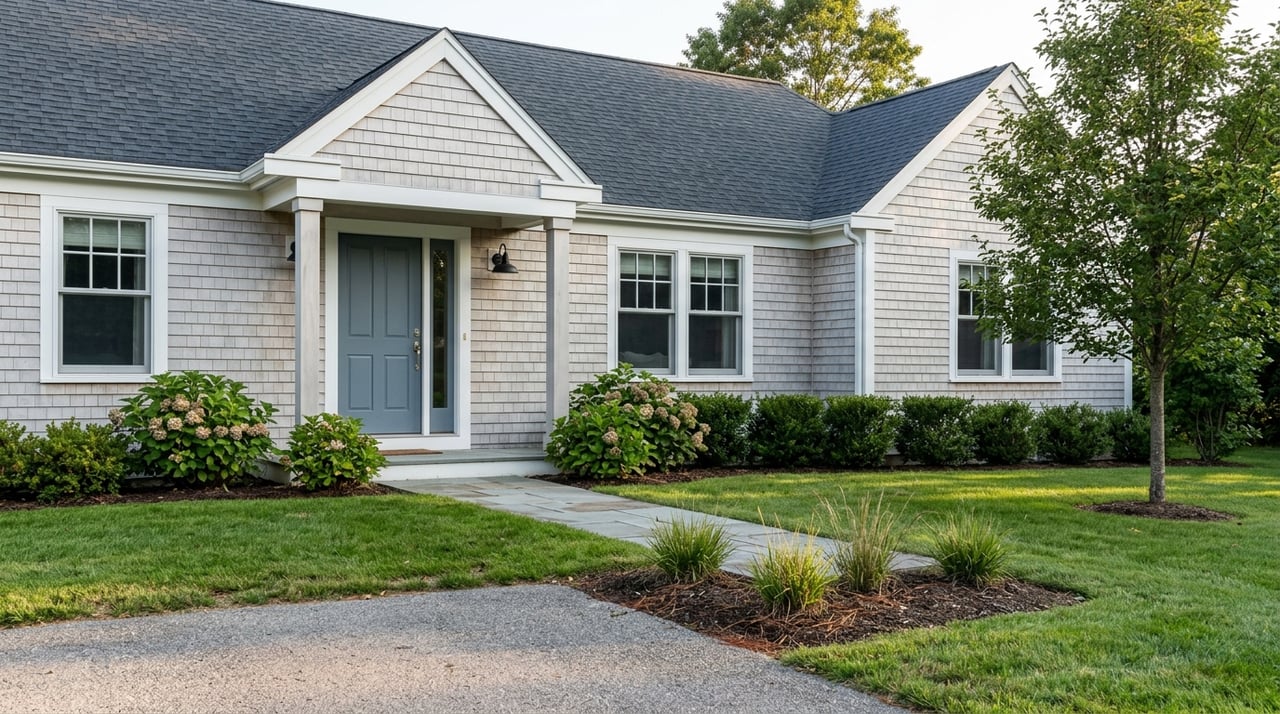
Getting Your Wakefield Home Ready To Hit The Market
If you want buyers to take your Wakefield home seriously from the moment it hits the market, preparation matters more than ever. In a market where well-priced homes can draw quick attention, even small details can shape how buyers feel when they scroll photos, book a showing, or decide whether to make an offer. The good news is that getting ready to sell does not always mean taking on major renovations. With the right plan, you can focus on the updates that help your home look clean, bright, and easy to picture living in. Let’s dive in.
Wakefield’s 02879 ZIP code sits in an established, higher-value market. Census Reporter shows 21,802 residents, a median household income of $112,231, and a median owner-occupied home value of $564,700, all above statewide figures in Rhode Island.
The broader Washington County market also points to strong seller conditions. Zillow places the county’s typical home value at $674,112 and reports homes going pending in about 13 days, while Realtor.com describes the county as a seller’s market with homes selling for roughly asking on average and Wakefield 02879 showing a median listing price around $824,900.
What does that mean for you? Buyers may move quickly when a home feels well cared for, easy to tour, and ready for photos. That makes pre-listing prep one of the smartest steps you can take before launch.
For most sellers, the best return comes from presentation, not a full remodel. In Wakefield, a polished, move-in-ready look often does more to support a strong first impression than a long list of expensive upgrades.
The goal is simple. You want buyers to notice the space, light, and condition of your home, not your clutter, deferred maintenance, or overly personal decor.
According to the National Association of Realtors 2025 Profile of Home Staging, 83% of buyers’ agents said staging made it easier for buyers to visualize a property as their future home. The same report found that 49% of sellers’ agents said staging reduced time on market, and 29% said it increased offers by 1% to 10%.
Before you think about cosmetic upgrades, handle the basics that almost every home needs before listing. NAR reports that the most common recommendations from sellers’ agents were decluttering, cleaning the entire home, and improving curb appeal.
That gives you a strong starting checklist:
These steps are not flashy, but they make your home feel better maintained and easier to photograph.
Not every room carries the same weight. NAR found that buyers’ agents ranked the living room as the most important room to stage at 37%, followed by the primary bedroom at 34% and the kitchen at 23%.
If you are deciding where to spend your time and budget, start there. Those spaces often shape a buyer’s overall impression of the home.
Your living room should feel open, comfortable, and easy to understand. Pull furniture away from walls when needed, remove pieces that crowd walkways, and keep surfaces simple.
A few well-placed items can go a long way. Think neutral pillows, a clean rug, and minimal accessories that add warmth without making the room feel busy.
The primary bedroom should feel calm and spacious. Crisp bedding, tidy nightstands, and clear floor space help create that effect quickly.
If the room has too much furniture, consider removing one or two pieces before photography. Buyers should be able to see the room’s size and layout at a glance.
In the kitchen, less is usually more. Clear the counters, remove small appliances you do not use daily, and keep the sink spotless.
You do not need a full renovation to improve the look. Fresh caulk, updated hardware, bright lighting, and a deep clean can make a big difference in how the kitchen shows.
Your first showing often happens online. NAR reports that photos ranked highest among staging-related media at 73%, followed by physical staging at 57%, videos at 48%, and virtual tours at 43%.
That means your home needs to look strong on camera before buyers ever walk through the door. A room that feels acceptable in person may look cluttered, dark, or smaller in listing photos.
To get photo-ready:
A clean visual story helps buyers stay focused on the home itself.
In South County, timing matters. Seasonal activity plays a big role in how buyers experience the area, especially as spring and summer approach.
Visit Rhode Island highlights beaches, outdoor events, seafood festivals, and the Washington County Fair as part of the region’s seasonal appeal. Rhode Island State Parks says the state beach season begins Memorial Day weekend and runs through Labor Day with amenities and staffing in place during that period.
That local rhythm can influence buyer interest, especially for those looking at coastal or seasonal homes. If you want to launch in spring or early summer, it helps to finish exterior work before photography and before buyer traffic starts to rise.
Realtor.com’s 2026 Best Time to Sell report points to the week of April 12 to 18 as a national sweet spot, with 16.7% more views per listing, about nine fewer days on market, and historically 1.3% higher prices than the average week. Just as important, sellers are advised to get their homes market-ready before spring arrives.
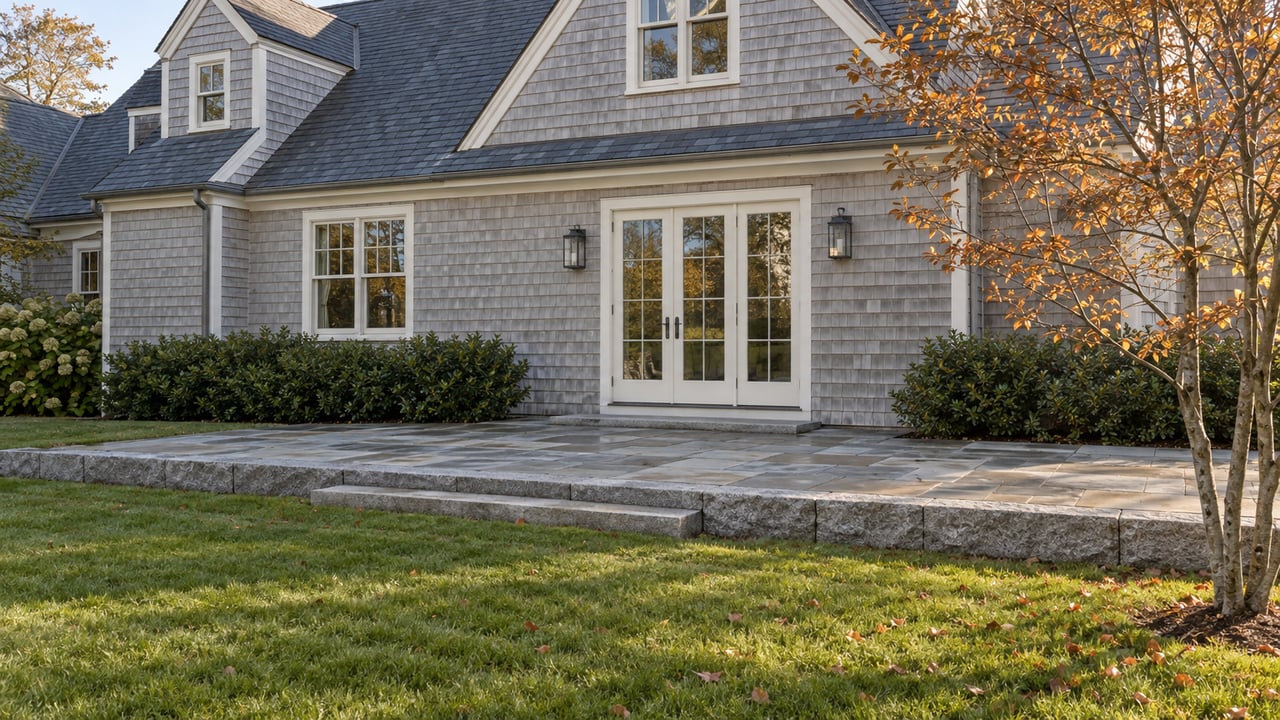
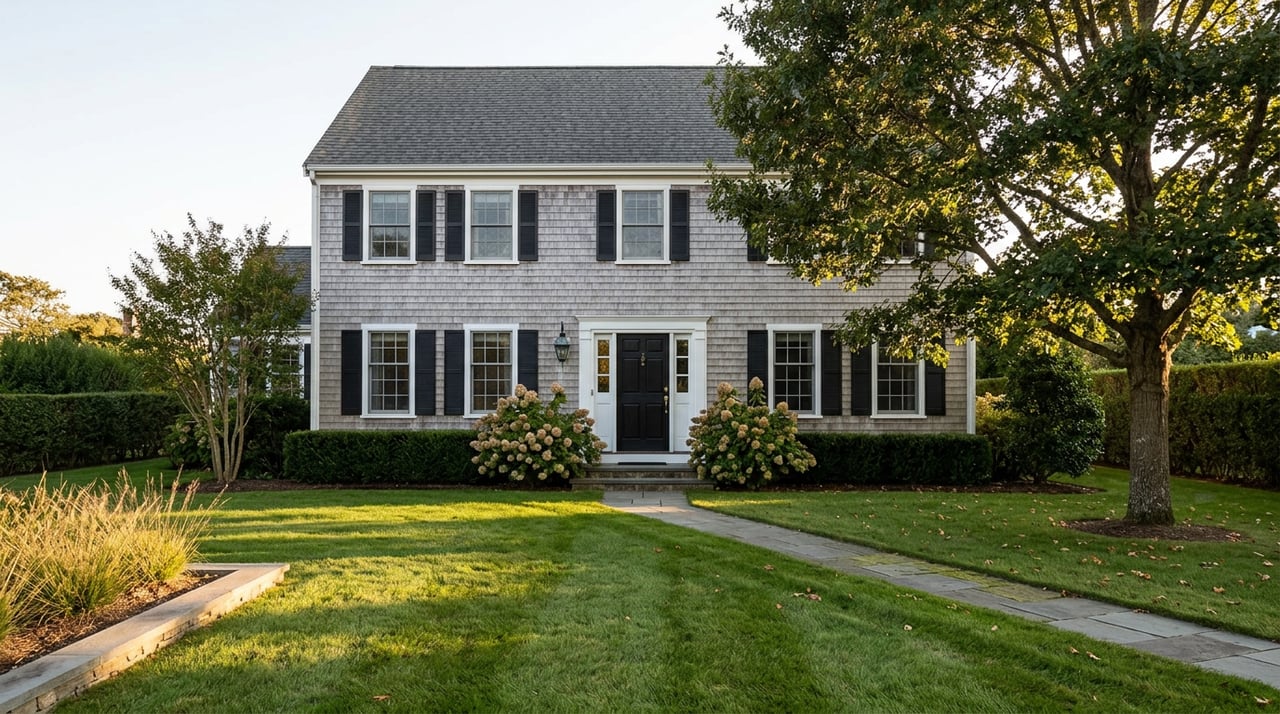
A polished exterior tells buyers the home has been cared for. Focus on visible maintenance and simple cleanup:
From the street, buyers should see a home that feels ready, not one that looks like it comes with a weekend project list.
It is easy to assume you need to renovate before you sell, especially in a higher-value market. But the research for Wakefield points in a different direction.
The strongest strategy here is often a clean, bright, move-in-ready presentation supported by strong marketing and quick cosmetic improvements. That usually means you should handle visible issues and deferred maintenance first, then decide whether any larger project is truly necessary.
In many cases, the better move is to:
That approach can protect your timeline and budget while still helping you make a strong market entrance.
Presentation matters, but paperwork matters too. Rhode Island law requires sellers to provide a written disclosure of all deficient conditions they actually know about before signing a transfer agreement. The law also states that the disclosure is not a warranty and that buyers should conduct their own inspections.
For a one- to four-unit home, the disclosure form may cover topics such as occupancy, year built, basement, roof, structural conditions, heating, pools, fire history, mold, ventilation changes, and moisture penetration. For vacant land, the form can include septic or cesspool details, private well history, flood plain status, wetlands, easements, permits, zoning, and shoreline access or public rights-of-way when applicable.
If your home was built before 1978, Rhode Island also requires lead-related disclosures. That includes any lead inspection reports in your possession and any known lead poisoning issues, and qualifying sales include a 10-day buyer inspection period for lead-based paint and environmental lead hazards.
Getting organized early can reduce stress once your home goes live. Try to collect:
Having these items ready can help you answer questions faster and move through the sale with fewer last-minute scrambles.
If you are not sure where to begin, keep it simple. The best pre-listing plan usually follows a practical order so you do not waste time or money.
Here is a straightforward way to tackle it:
This kind of step-by-step prep tends to create a smoother launch and a stronger first impression.
In a seller-leaning market like Washington County, your home does not need to be perfect. It does need to feel cared for, clean, and easy for buyers to picture as their next move.
That is especially true in Wakefield, where higher local values and seasonal buyer interest can create strong opportunity for sellers who prepare well. When your home is visually polished, easy to show, and backed by organized paperwork, you put yourself in a better position from day one.
If you are thinking about selling in Wakefield, the right guidance can help you focus on the updates that matter most and avoid the ones that do not. The Donna Dean Team can help you plan your pre-sale preparation, coordinate the right next steps, and position your home for a strong market debut.


We pride ourselves in providing personalized solutions that bring our clients closer to their dream properties and enhance their long-term wealth. Contact us today to find out how we can be of assistance to you!