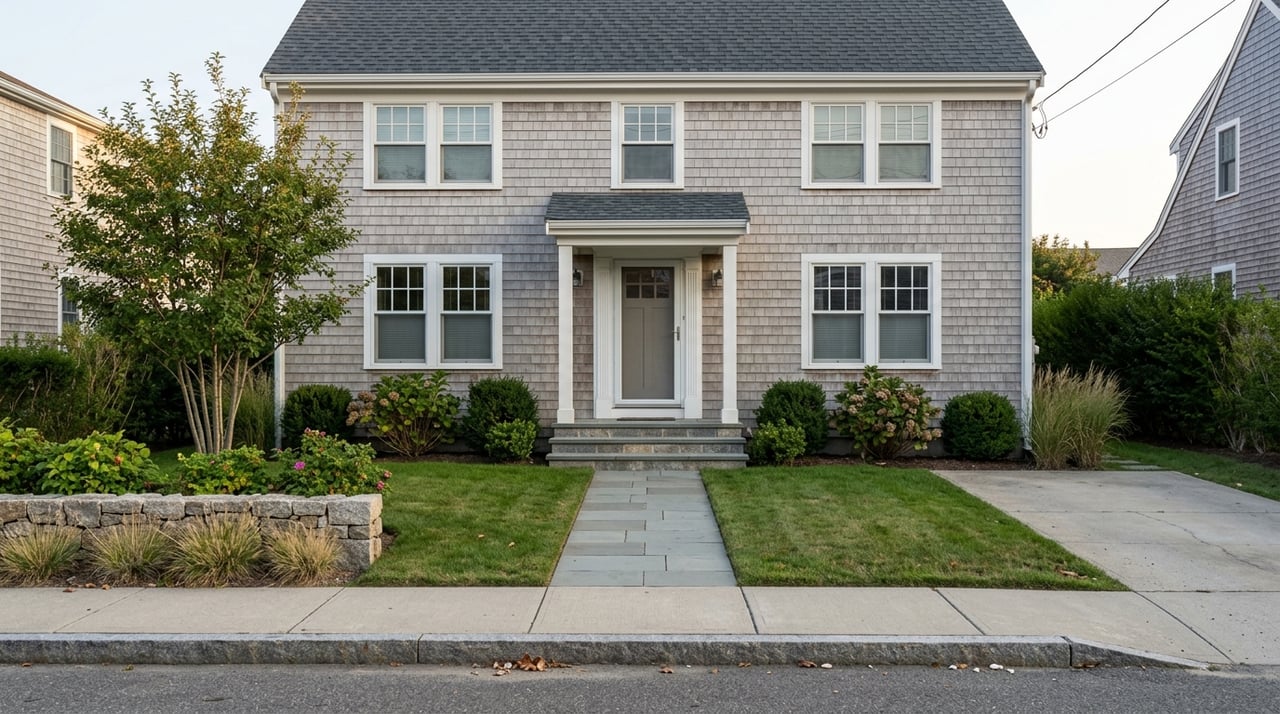
Buying Near The Beach In Narragansett Pier
Dreaming about walking to the beach in Narragansett Pier? That idea is easy to love, but buying near the water here comes with more than just ocean air and a great address. If you want a home that fits your lifestyle, budget, and long-term plans, it helps to understand how the Pier really works year-round. Let’s dive in.
Narragansett Pier is not just near the beach. It is one of the clearest walkable hubs in town, and Narragansett’s planning documents describe the Pier Area as the town’s traditional center and a pedestrian-friendly mixed-use focal point.
That matters if you want a home where you can move easily between the beach, local services, and everyday town activity. In many coastal markets, beach access and convenience do not always overlap. In the Pier, they often do.
The area also carries a strong sense of place. Town materials connect the Pier to Narragansett’s resort-era history, with historic homes, large summer cottages and estates, and later conversions into condominiums, multifamily properties, and townhouses.
When buyers picture beach living, they often imagine a simple lifestyle upgrade. In Narragansett Pier, that can be true, but it helps to define what you want most before you start touring homes.
If your top priority is walkability, the Pier Area is usually the first place to focus. The town specifically identifies it as a pedestrian-friendly center, which makes it a strong fit if you want to walk to the beach and nearby amenities.
If you care more about historic coastal character, Ocean Road and Central Street may stand out. Town planning materials identify those areas as part of the proposed Downtown Pier Historic District, and both roads are listed among Narragansett’s scenic roads.
That said, the most visible and scenic locations can also be among the most traveled. A beautiful block near the heart of the Pier may feel very different in peak summer than it does in the off-season.
The biggest appeal of buying near the beach in Narragansett Pier is convenience. You may be able to walk to the shoreline, enjoy a town-center setting, and spend less time driving for everyday outings.
The tradeoff is activity. The town’s comprehensive plan says many homes are seasonally vacant from September to May, while occupancy rises sharply in July and August and the daily population may triple in summer.
That means the same property can offer a quiet coastal feel in winter and a much busier atmosphere in summer. If you love energy, events, and a classic beach-town rhythm, that may be a plus. If you want more peace in peak season, a location a little farther back may be worth considering.
Parking is one of the most practical issues to think through before you buy. In the Pier area and Scarborough Hills, residential on-street parking permits are required from May 15 to September 15.
The town also states that it does not issue daily permits for residents or visitors for special events in those permit areas. If you expect frequent summer guests, limited private parking can become a real lifestyle factor.
Narragansett Town Beach is located at 39 Boston Neck Road. Under the current 2026 beach policy, daily parking is first come, first served, with nonresidents required to park in the West Lot, while seasonal parking passes are available only to residents and taxpayers and are not transferable.
For many buyers, this is where local guidance matters most. A home that looks close to the beach on a map may function very differently depending on driveway space, permit rules, and how often you plan to host family and friends.
Part of the Pier’s appeal is its architectural variety and historic coastal feel. Town planning documents note historic homes in the Pier and Ocean Road areas, along with estate-scale properties and older housing types that have evolved over time.
Older homes can offer character that is hard to replicate. At the same time, they may come with more upkeep, more planning, and in some cases more review if future improvements are proposed in historically sensitive areas.
For buyers, this is less about avoiding older homes and more about going in with clear eyes. A charming beach-area property may offer an amazing setting, but you should understand the condition, maintenance needs, and any location-specific review issues early in the process.
Near-beach buying always starts with location, but it should also start with risk review. Narragansett’s zoning includes coastal and wetlands, high-water-table, steep-slope, and special flood hazard overlay districts.
If a property is in a Special Flood Hazard Area, floodplain-management rules can apply, and flood insurance may be required for many loans. Before you make an offer, confirm the flood zone and get realistic insurance numbers.
This step is especially important in a high-value coastal market. A home may fit your budget at first glance, but insurance and risk-related costs can change the monthly picture quickly.
One detail that can easily get overlooked is wastewater service. The town’s comprehensive plan says the Pier Area and the North End are served by the regional Westmoreland wastewater system, while other parts of Narragansett rely on individual sewage disposal systems.
That difference can matter when you compare homes near the core with homes farther out. For some buyers, public wastewater service is a convenience issue. For others, it can affect renovation plans, maintenance expectations, or overall comfort with the property.
This is one of those behind-the-scenes items that may not show up in your first online search, but it can shape the ownership experience in a meaningful way.
If you are buying with rental income in mind, make compliance part of your early checklist. Narragansett’s FAQs direct owners to the rental-registration process, and the town’s fire-safety guidance says occupancy classification matters for short-term rentals and homes with multiple unrelated occupants.
That means a beach-area purchase is not just about what the property could earn. It is also about whether the home fits your intended use under local requirements.
The town’s comprehensive plan also notes recurring concerns tied to seasonal rentals, including noise, parking, and maintenance issues associated with absentee landlords. Even if rental use is only part of your plan, it is smart to verify the rules and practical implications before you move forward.
If you are trying to choose the right micro-location, start with how you want to live there. The best fit is often less about being as close to the water as possible and more about matching the block to your routine.
Ask yourself:
These questions can help you compare homes more realistically. In the Pier, small location differences can create very different ownership experiences.
Narragansett Pier is appealing because it offers a true coastal town-center lifestyle. It also asks buyers to think carefully about seasonality, parking, property condition, flood exposure, and intended use.
That is why buying near the beach here is rarely just about finding a pretty house. It is about finding the right fit for the way you want to live, visit, or invest.
If you are exploring homes in Narragansett Pier or comparing beach-close options across South County, the right guidance can help you spot the tradeoffs early and move forward with more confidence. Connect with the Donna Dean Team for experienced local help as you search for the right coastal property.

We pride ourselves in providing personalized solutions that bring our clients closer to their dream properties and enhance their long-term wealth. Contact us today to find out how we can be of assistance to you!