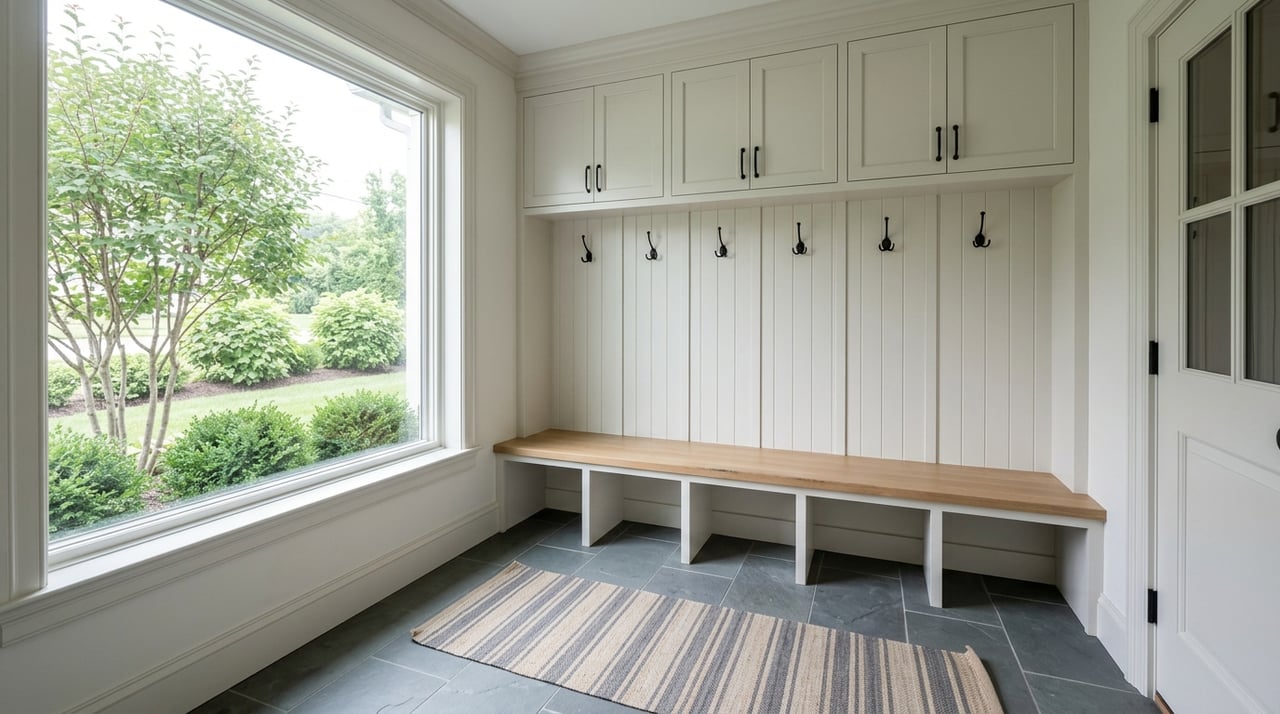
Moving From Boston Or NYC To Mystic
Thinking about leaving Boston or New York for the Connecticut coast? Mystic can feel like a smart lifestyle shift, but it is not a simple plug-and-play move. This is a small, fast-moving market where the exact address, town side, and utility setup can shape your budget as much as the list price. In this guide, you’ll get a practical look at what moving to Mystic really means, what your money may buy, and what to verify before you make the leap. Let’s dive in.
Mystic offers something many city buyers want more of: coastal character, walkable pockets, and access to rail and I-95 without giving up connection to major Northeast cities. The village spans both Groton and Stonington across the Mystic River, which matters more than many buyers realize when you start comparing homes and ownership costs. According to a state reference on Downtown Mystic, Mystic is a historic village split between those two towns.
Lifestyle is a big part of the draw. Mystic.org highlights shopping, dining, recreation, boating, and nature preserves, while Olde Mistick Village is known for restaurants and a multi-theater cinema. Stonington also describes the broader area as having scenic coastline, river access, and sheltered anchorages, which helps explain why buyers looking for a coastal reset often put Mystic on their shortlist.
If you are used to the scale of Boston or New York, Mystic may feel very different right away. Redfin’s Mystic market data reported a median sale price of $581,250 in February 2026, with homes selling in an average of 7 days and only 5 homes sold that month. That points to a limited-inventory market where good listings can move quickly.
For a broad benchmark, Redfin’s January 2026 metro data put Boston at $734,000 and New York at $777,750. That means Mystic’s median was roughly 21% below Boston and about 25% below New York at that moment, though this is not a perfect suburb-to-suburb comparison. The bigger takeaway is that while Mystic may look more affordable on paper, it can still be highly competitive because there are simply fewer homes available.
One of the biggest surprises for relocating buyers is how much location influences value here. In Mystic, your budget often buys a mix of size, condition, water access, and proximity to downtown rather than just more square footage.
At the lower end, inventory tends to be smaller homes or attached properties. Recent examples in the research include 26 Whitehall Pond, which sold for $335,000 as a 2-bedroom, 1-bath, 952-square-foot home, and 226 Pumpkin Hill Road, which was listed at $379,900 as a 3-bedroom, 1-bath, 1,399-square-foot home.
If you are coming from Boston or NYC, this price point may still feel attractive. But in Mystic, it usually does not mean a large in-village single-family home with premium features. It often means making tradeoffs on size, updates, or exact location.
In the mid-$600,000s to low-$700,000s, the market can open up a bit more. Research examples include 6 Hatch Street, listed at $675,000, and nearby 8-10 Hatch Street, shown at $708,900 with 7 bedrooms, 4 baths, and 3,500 square feet.
This range may give you more flexibility, but not always in the same way it would in a larger suburban market. In Mystic, mid-range pricing can still involve careful tradeoffs between lot, age, updates, and proximity to the village core or water.
As budgets move higher, Mystic often becomes more about experience and setting. 8 Whaler Road sold for $925,000 with 3 bedrooms, 3.5 baths, and 3,455 square feet.
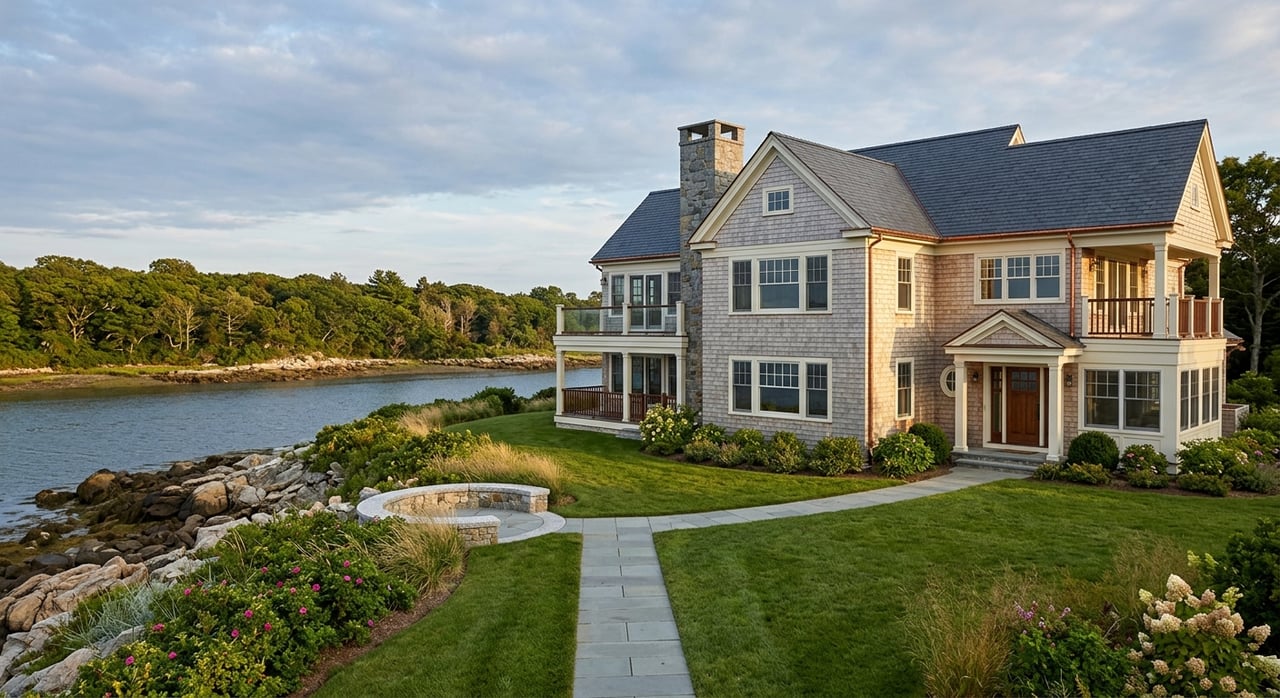
At $1.2 million and up, the market shifts more clearly toward waterfront and premium-lifestyle properties. Examples in the research include 34 Roseleah Drive, which sold for $1.2 million with a private dock and close access to downtown Mystic station, 175 Whitehall Avenue, which sold for $1.86 million with a dock, boat lift, and guest house, and 22 West Main Street #6, a downtown waterfront penthouse that sold for $2.05 million.
The pattern is clear: as price rises in Mystic, buyers are often paying for waterfront location, downtown access, views, docks, and lifestyle features as much as they are paying for interior size.
This is one of the most important things to understand before moving to Mystic. Because Mystic spans Stonington and Groton, two similar homes can have very different annual tax bills.
On the Stonington side, the adopted FY2025-26 mill rate is 18.18, and the town says to use the 70% assessment figure when estimating taxes. On the Groton side, the FY2026 mill-rate table shows a 24.81 town rate with combined district rates that vary, including 27.60 in the Mystic Fire District and 27.69 in the Old Mystic Fire District.
Using the estimates in the research, a $600,000 appraised home on the Stonington side comes out to about $7,636 per year, while a Groton-side home at 27.60 mills would be about $11,592 per year. That is a difference of about $3,956 annually. If you are relocating from a major city and building a monthly payment target, this is not a detail to leave until later.
Remote buyers often focus on price, condition, and commute first. In Mystic, you also want to verify how the property is served. According to the Stonington WPCA, Mystic, Old Mystic, Pawcatuck, and Stonington Borough are served by sanitary sewer systems, while remaining areas use onsite septic systems.
That means two homes with the same Mystic mailing address may not have the same utility setup. Sewer versus septic affects maintenance expectations, inspections, and long-term planning. It is another reason address-level due diligence matters here.
Mystic is not a classic daily commuter town, but it does offer real transportation options. The Mystic Amtrak station at 2 Roosevelt Avenue is on the Northeast Regional route, with service through Boston, Mystic, New London, and New York.
For local transit, CTDOT bus information shows that SEAT serves Groton, New London, Stonington, and nearby communities. CTDOT also lists Mystic-Noank HOP on weekdays and Stonington HOP on Saturdays, with a Sunday route connecting New London train station, Mystic, and Foxwoods.
If you drive, Mystic sits along the I-95 corridor. CTDOT’s Interstate 95 safety project includes the Mystic Street/Exit 89 interchange, which gives helpful context for regional access and ongoing infrastructure work.
Relocating to Mystic from Boston or NYC usually means adjusting your search strategy. In a larger metro, you may be able to cast a wide net and compare dozens of similar homes. In Mystic, you may be choosing between a smaller number of properties where every street, district, and property feature changes the equation.
A smart remote-buying process often includes:
Because inventory is limited and homes can sell fast, coordinated touring and clear due diligence matter. That is especially true if you are trying to balance second-home goals, primary-home needs, or a part-time connection back to Boston or New York.
Mystic rewards buyers who look beyond the town name and study the details. A beautiful home may come with very different taxes depending on which side of the river it sits on. A listing close to downtown may offer a very different ownership experience than one farther out with septic, more land, or a different district structure.
That is where local guidance can make your move smoother. With a small, fast-moving market, out-of-area buyers often benefit from help with exact parcel verification, timing, coordinated showings, and understanding how a property fits their day-to-day goals. If you are planning a move from Boston or NYC to the coast, working with a team that knows Mystic block by block can help you buy with more confidence.
If you are exploring a move to Mystic and want local insight on neighborhoods, pricing, or waterfront and in-village options, the Donna Dean Team is here to help you navigate the process with clear advice and hands-on support.
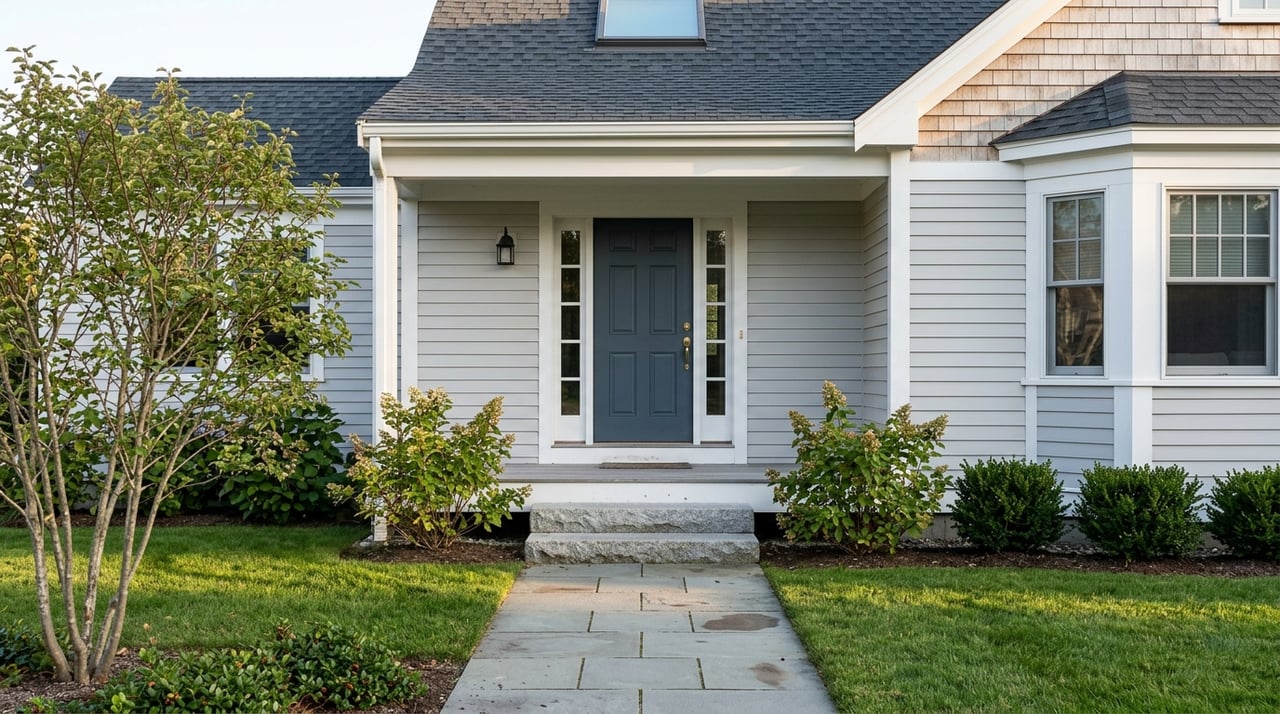
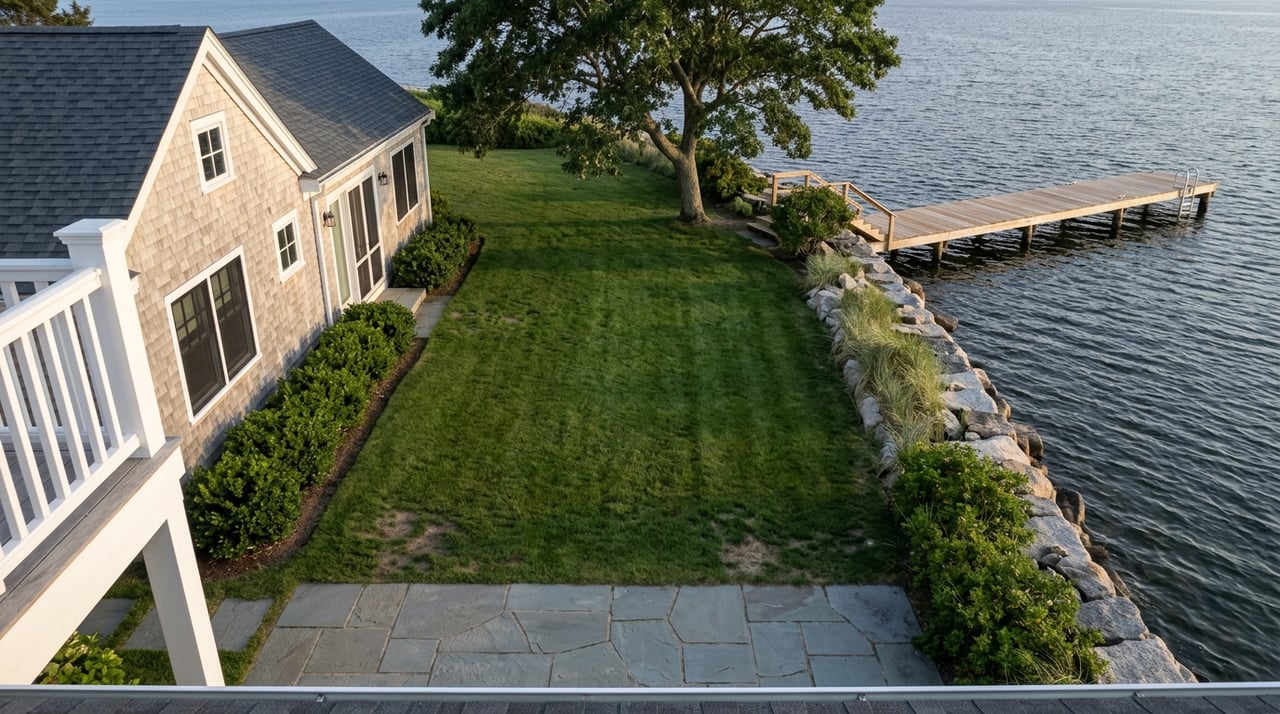
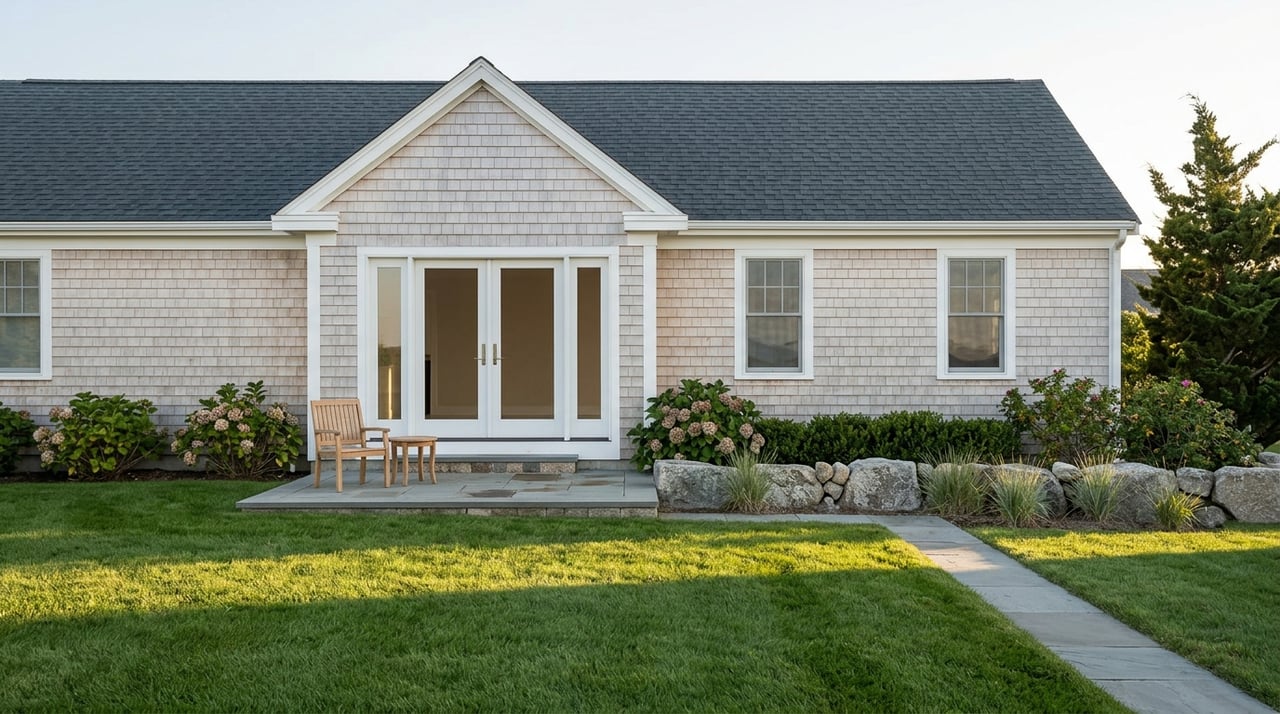
We pride ourselves in providing personalized solutions that bring our clients closer to their dream properties and enhance their long-term wealth. Contact us today to find out how we can be of assistance to you!