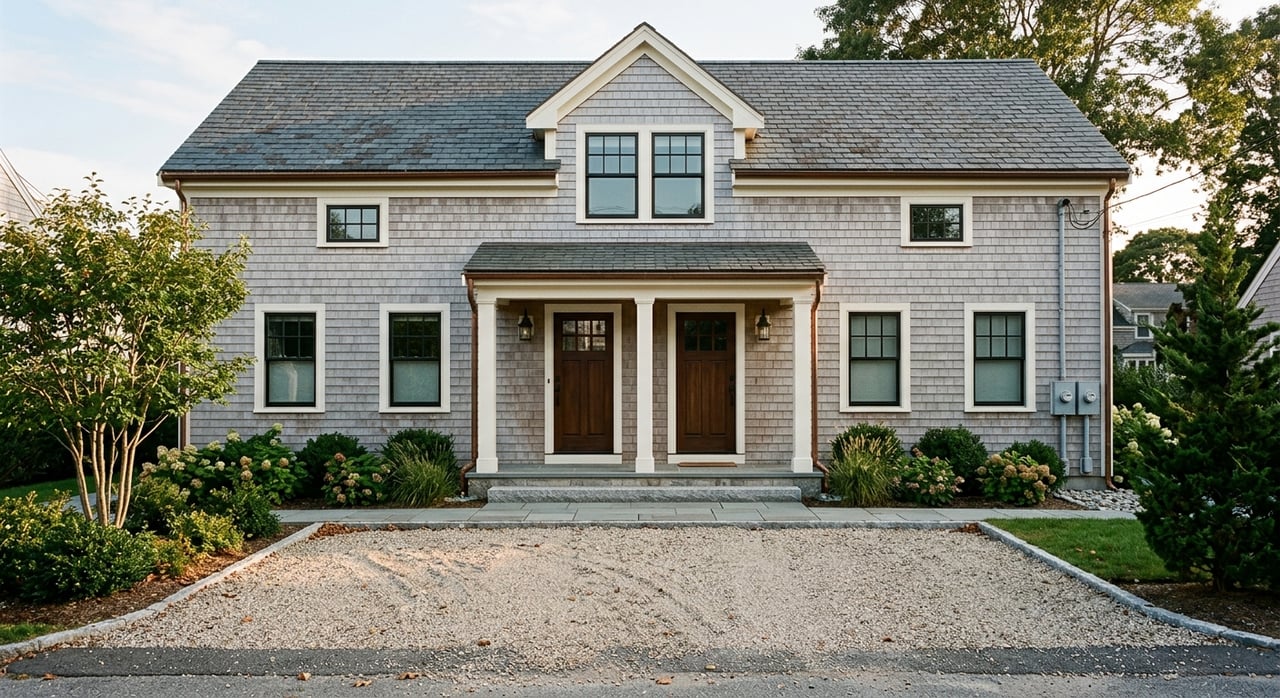
A Practical Guide to Wakefield RI Investment Property
If you are thinking about buying an investment property in Wakefield or South Kingstown, the first thing to know is simple: 02879 is not one rental market. This area blends student demand tied to the University of Rhode Island, steady year-round housing needs, and seasonal coastal demand that can shift pricing and strategy fast. If you understand how those pieces fit together, you can make better decisions on property type, rent targets, and compliance. Let’s dive in.
Wakefield and South Kingstown offer a mix that many investors look for: a stable local housing base, a major university nearby, and access to the shoreline. According to U.S. Census QuickFacts for South Kingstown, the town had 32,094 residents in 2024, with a 75.4% owner-occupied rate and a median owner-occupied home value of $560,200. That points to a market with a smaller renter pool than a dense apartment-heavy city, but one that can still support well-positioned rentals.
A major reason is URI. The university reports it serves about 17,000 students, with roughly 5,500 in residence halls and about 700 in Greek or academic-program housing. That leaves a meaningful group of students looking off campus, especially around Kingston and nearby parts of 02879.
The shoreline adds another layer. The town notes that South Kingstown Town Beach operates from Memorial Day weekend through Labor Day, and East Matunuck State Beach also supports summer traffic in the area. That seasonal draw helps explain why furnished homes and premium summer rentals show up in the same ZIP code as year-round housing.
On the supply side, Rhode Island remains fairly tight. RIHousing’s 2025 rental survey memo reported a statewide rental vacancy rate of 3.85%, still below the agency’s healthy 6% to 7% range. For investors, that suggests renters may continue to compete for well-priced units.
Student-oriented rentals are closely tied to the academic calendar. URI says its 2025 move-in weekend ran from August 29 through September 1, with classes starting September 3. That late-summer timing matters if you own a 2- to 5-bedroom home or apartment with parking and practical access to Kingston.
This segment often rewards layouts that support shared living. Parking, bedroom count, and functionality tend to matter more than luxury finishes alone. In 02879, furnished or partially furnished setups can also be relevant because student demand and seasonal demand sometimes overlap.
Year-round rentals serve a different need. These properties tend to perform best when they are practical, well-maintained, and convenient to Wakefield, Kingston, and local employment areas. Because South Kingstown is mostly owner-occupied, good rental inventory may stand out when it is priced in line with the market.
This is often the most straightforward path for investors who want steadier occupancy and less seasonal turnover. It can also mean a simpler operating model than short-term rentals, though registration and state compliance still matter.
Seasonal rentals follow the beach calendar and summer travel patterns. In this segment, furnished homes closer to coastal amenities may command premium rates, especially for shorter stays during the busiest months. The appeal is clear, but so is the extra complexity.
This strategy can produce strong gross rent potential, but it comes with more registration steps and tax handling than a year-round lease. If you are underwriting a short-term model, you need to account for those costs early instead of treating them as a minor afterthought.
If you are analyzing rental income in 02879, it helps to compare several benchmarks instead of relying on one number.
In Trulia’s March and April 2026 snapshot for 02879 rentals, the average asking rent was $3,300 per month, with about $2,577 for a 1-bedroom, $2,500 for a 2-bedroom, $3,500 for a 3-bedroom, and $3,800 for a 4-bedroom. The same snapshot showed 33 available rentals and a price range from about $1,750 to $12,000.
Trulia’s broader South Kingstown rental snapshot showed an average rent of $3,000 per month, with $2,654 for a 1-bedroom, $2,500 for a 2-bedroom, $3,300 for a 3-bedroom, and $4,000 for a 4-bedroom. That supports the idea that larger homes and furnished inventory can pull averages upward.
For another data point, Apartments.com market trends for Wakefield placed average rent around $2,681 per month, including about $2,681 for a 1-bedroom and $2,937 for a 2-bedroom. This can be useful, but it may reflect a different slice of the market than single-family or beach-oriented rentals.
RIHousing’s 2025 Small Area Fair Market Rent standards for 02879 were $1,490 for a 1-bedroom, $1,800 for a 2-bedroom, $2,180 for a 3-bedroom, and $2,700 for a 4-bedroom. These are not market averages. They are voucher benchmarks. Still, they can help you evaluate rent reasonableness and whether a property may align with voucher-based demand.
The biggest mistake investors make in this market is treating every property like it belongs in the same rent bucket. In 02879, the property’s best use often matters as much as the property itself.
Before you buy, ask yourself:
A 4-bedroom house near URI may underwrite very differently than a furnished coastal home targeting summer demand. A smaller accessory unit may be useful as a long-term rental, but not as a short-term lodging play. Your strongest investment decisions usually come from matching the asset to the right demand segment first.
South Kingstown adopted Residential Rental Registration requirements under Zoning Ordinance Article 5.5, effective October 14, 2025. The town requires all rental dwellings and units to be registered annually.
The fee is $300 per unit for short-term rentals and $50 per unit for rentals over 30 days. The town also states that failure to register can result in a $300 fine and a court summons. Registrations are not transferable, which is important if you are buying an existing rental property.
If you plan to rent a property for 30 nights or less and list it on a third-party hosting platform or brokerage website, Rhode Island also requires state short-term rental registration through the Department of Business Regulation. The state fee is $25, the registration is valid for one calendar year, and both state and municipal registration can apply at the same time.
The state notes potential civil penalties of $250, $500, or $1,000 depending on the duration of noncompliance. That makes registration a core underwriting item, not a side detail.
Short-term rental investors should also track Rhode Island tax changes. The Rhode Island Division of Taxation says that effective January 1, 2026, the local hotel tax increased from 1% to 2%, and a new 5% tax applies to short-term rentals of entire residential dwellings.
If you are comparing a year-round lease to a seasonal strategy, this is one of the clearest examples of why gross rent and net rent are not the same thing. Higher top-line income can come with extra tax drag and more operating work.
For longer-term rentals, landlords also need to think beyond the town registration. Rhode Island’s landlord and renter guidance notes that landlords must register rental properties with the statewide Rental Registry.
The same guidance also points to lead-safety obligations for older homes. Rhode Island says landlords who rent one or more units must secure a Certificate of Lead Conformance and register annually. In an older coastal housing market, this is a major due diligence item.
Accessory dwelling units can help investors and property owners create more long-term rental flexibility, but they are not a shortcut into short-term rental income. South Kingstown’s ADU regulations and guidance state that ADUs may not be offered or rented for tourist or transient use.
That means if you are buying with an ADU strategy in mind, the safer approach is to model it as a long-term rental option. This can still be useful, especially if you want to add income while staying within local rules.
Wakefield and South Kingstown can be attractive for investors because demand comes from more than one direction. URI supports recurring off-campus demand, the local market remains relatively stable, and shoreline seasonality creates opportunities for furnished rentals.
At the same time, this is a market where strategy matters. A property may look strong on paper until registration fees, lead compliance, short-term taxes, or seasonal vacancy assumptions are added back into the numbers.
The best opportunities often come from asking a few grounded questions early:
If you are exploring investment property in South County Rhode Island, working with a local team that understands both coastal housing and rental positioning can save you time and expensive surprises. The Donna Dean Team can help you evaluate opportunities in Wakefield and South Kingstown with a practical, market-aware approach.


We pride ourselves in providing personalized solutions that bring our clients closer to their dream properties and enhance their long-term wealth. Contact us today to find out how we can be of assistance to you!