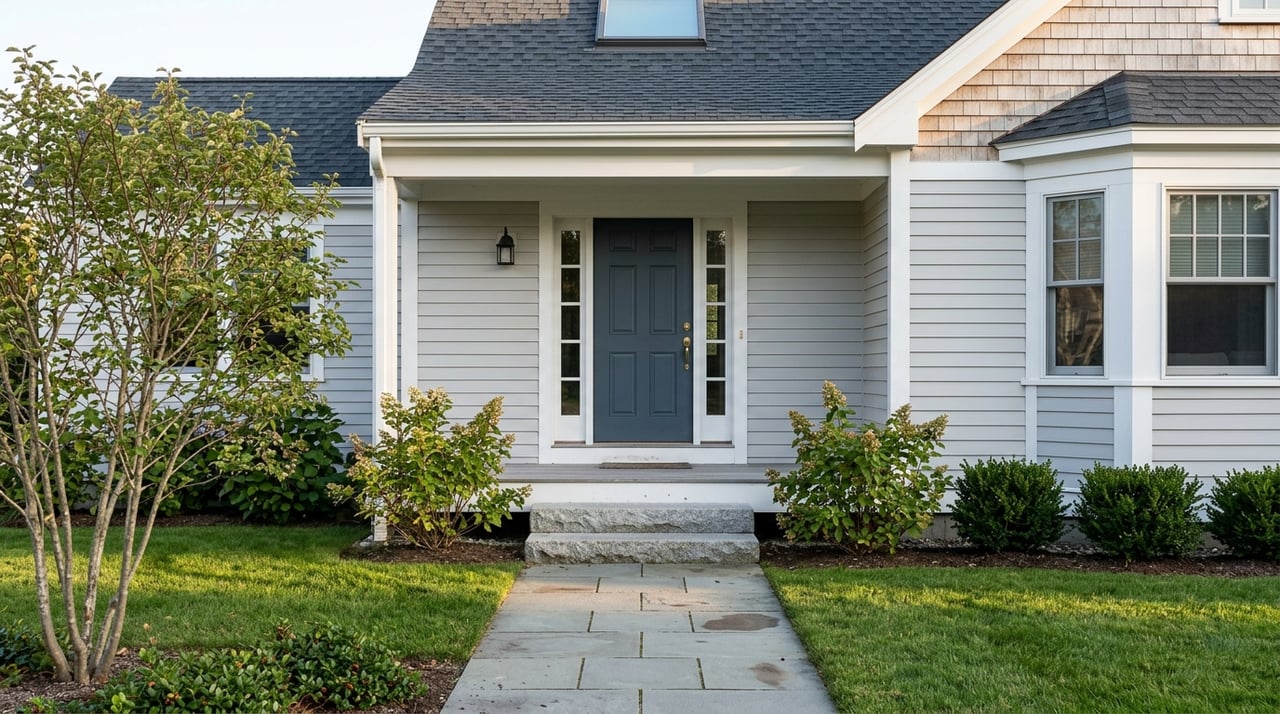
When To List A Quonochontaug Beach House
If you’re wondering when to list a Quonochontaug beach house, the honest answer is this: there is no one perfect week for every seller. In a coastal market shaped by summer visitors, second-home demand, and a relatively small number of available homes, timing depends on how prepared your property is and what kind of buyer activity you want to capture. The good news is that local and regional data point to two strong listing windows, and understanding them can help you make a smarter move. Let’s dive in.
Quonochontaug is not a high-volume subdivision market where hundreds of similar homes trade every season. It is a coastal village in Charlestown where the market is shaped by beach access, seasonal travel, and the rhythms of South County life.
That matters because buyers often experience this area in person before they act. Charlestown planning documents show that the town’s population rises sharply from May through September, and local tourism materials support the idea that many visitors arrive from places like Boston and New York for short stays, summer trips, or weekend visits.
For a beach house seller, that means your listing timing should match buyer behavior as much as market data. In Quonochontaug, visibility and intent do not always peak at the exact same time.
Because Quonochontaug is a small market, hyper-local sales stats can be limited. That makes ZIP code, town, and county data useful timing proxies rather than exact neighborhood rules.
As of May 2026, Realtor.com showed 5 homes for sale in Quonochontaug. In ZIP code 02813, there were 78 homes for sale, with a median listing price of $869,900 and a median 31 days on market.
At a broader local level, Rhode Island REALTORS reported that in April 2026 Charlestown had 5 single-family sales, a median price of $653,625, and average days on market of 55. Washington County posted 73 single-family sales, a median price of $720,000, and average days on market of 43.
Realtor.com also described Washington County as a seller’s market in March 2026, with a 30-day median time on market and homes selling for about asking price on average. These snapshots are not interchangeable, but together they suggest a market with meaningful buyer demand and relatively limited supply.
For many sellers, the strongest strategy is to list in spring and build momentum into early summer. This approach lines up with the local seasonal cycle, when more people are traveling through South County and spending time near the shoreline.
Charlestown documents describe the typical tourist season as running from Memorial Day through Labor Day, with activity increasing again in May and June. In practical terms, that gives your listing a chance to appear when more potential buyers are physically in the area and imagining summer use of a coastal home.
This timing can work especially well if your house is already prepared. If the landscaping is cleaned up, the interiors are photo-ready, and showings are easy to accommodate, a spring launch can put your home in front of buyers before summer inventory feels crowded.
A national benchmark from Realtor.com found that the week of April 12 to 18 historically brought 16.7% more listing views than an average week, and homes sold about nine days faster. That is not Quonochontaug-specific data, but it supports the broader idea that a spring start can help generate attention before peak summer.
Spring listing timing gives you several advantages:
In a place like Quonochontaug, lifestyle matters. Buyers are not only comparing square footage or bedroom counts. They are responding to the feeling of being near the beach, the seasonal pace of the area, and the chance to enjoy the home during warmer months.
Not every seller needs to rush into a spring launch. If your home needs more prep work, or if you want a more focused buyer pool, early fall can be a smart alternative.
September still falls within the local seasonal window, but it comes after the height of summer activity. Town planning and hazard-mitigation materials indicate that the tourist season continues into September, which means you can still benefit from active interest without the same level of peak-season bustle.
This shoulder-season approach is often less about maximum traffic and more about buyer intent. You may see fewer casual visitors and more serious shoppers who are taking a deliberate look at the market.
A fall listing may make sense if:
For some waterfront and seasonal sellers, that trade-off is worth it. You may have fewer eyes on the listing, but the buyers who are looking can be highly motivated.
The best listing timing depends on more than the calendar. It also depends on your property condition, your goals, and how your home is likely to stand out against competing inventory.
Start with your readiness. If your beach house is polished and market-ready now, waiting for a theoretical perfect week can mean missing a good opportunity. In a market with limited inventory, a well-prepared home can attract strong attention even when conditions are not identical to the seasonal ideal.
Next, think about buyer fit. A highly turnkey seasonal property may benefit from spring and early summer energy, while a distinctive or higher-end home may still draw serious interest in shoulder season when buyers have more time to focus.
Finally, consider local competition. With only a small number of Quonochontaug listings at a given time, each new property can have an outsized effect on buyer attention. That is one reason pricing, presentation, and launch strategy matter just as much as month-to-month timing.
In Quonochontaug, timing helps, but preparation is what turns attention into offers. Beach-house buyers tend to notice condition, maintenance, and ease of ownership quickly, especially when they are comparing a seasonal or second-home purchase.
That means your pre-listing work should be part of the timing decision. If listing two weeks earlier means going live with unfinished repairs, weak photos, or incomplete staging, it may not be the best move.
A better strategy is often to work backward from your target market window. Decide whether you want to hit spring visibility or shoulder-season focus, then build a clear prep plan around that goal.
Before you choose a launch date, it helps to review:
For many sellers, the real question is not just "When should I list?" It is "When can I list at my strongest?"
If your goal is broad exposure, spring into early summer is often the strongest window to consider. It aligns with the local visitor cycle, seasonal travel patterns, and the period when many beach-house buyers are actively experiencing the area.
If your goal is a calmer process with a more focused audience, shoulder season can also be a very solid strategy. September, in particular, may offer a useful balance of ongoing seasonal interest and less peak-summer friction.
The key is to avoid treating Quonochontaug like a large, uniform market. Inventory is limited, local data can be thin, and buyer behavior is shaped by coastal seasonality. That means the best listing date is usually the one that combines strong presentation, accurate pricing, and a launch plan built around how buyers actually shop here.
If you’re thinking about selling a Quonochontaug beach house, the right strategy starts with a local read on timing, competition, and preparation. The Donna Dean Team can help you evaluate your home, map out the best launch window, and create a listing plan designed for the South County coastal market.





We pride ourselves in providing personalized solutions that bring our clients closer to their dream properties and enhance their long-term wealth. Contact us today to find out how we can be of assistance to you!