Buying A Historic Home In Noank: What To Know
You do not buy a historic home in Noank for cookie-cutter finishes. You buy it for character, craftsmanship, and a connection to one of coastal Connecticut’s most distinctive villages. If you are thinking about purchasing an older home here, it helps to understand both the charm and the extra homework that can come with it. This guide will walk you through what makes Noank’s historic homes unique, where buyers should look more closely, and which local reviews and costs may matter before you close. Let’s dive in.
Noank is a village within the Town of Groton, and its National Register Historic District was listed in 1979. The district is recognized for its architecture and its ties to maritime commerce, industry, and transportation. Styles identified in the district include Greek Revival, Gothic, and Stick/Eastlake.
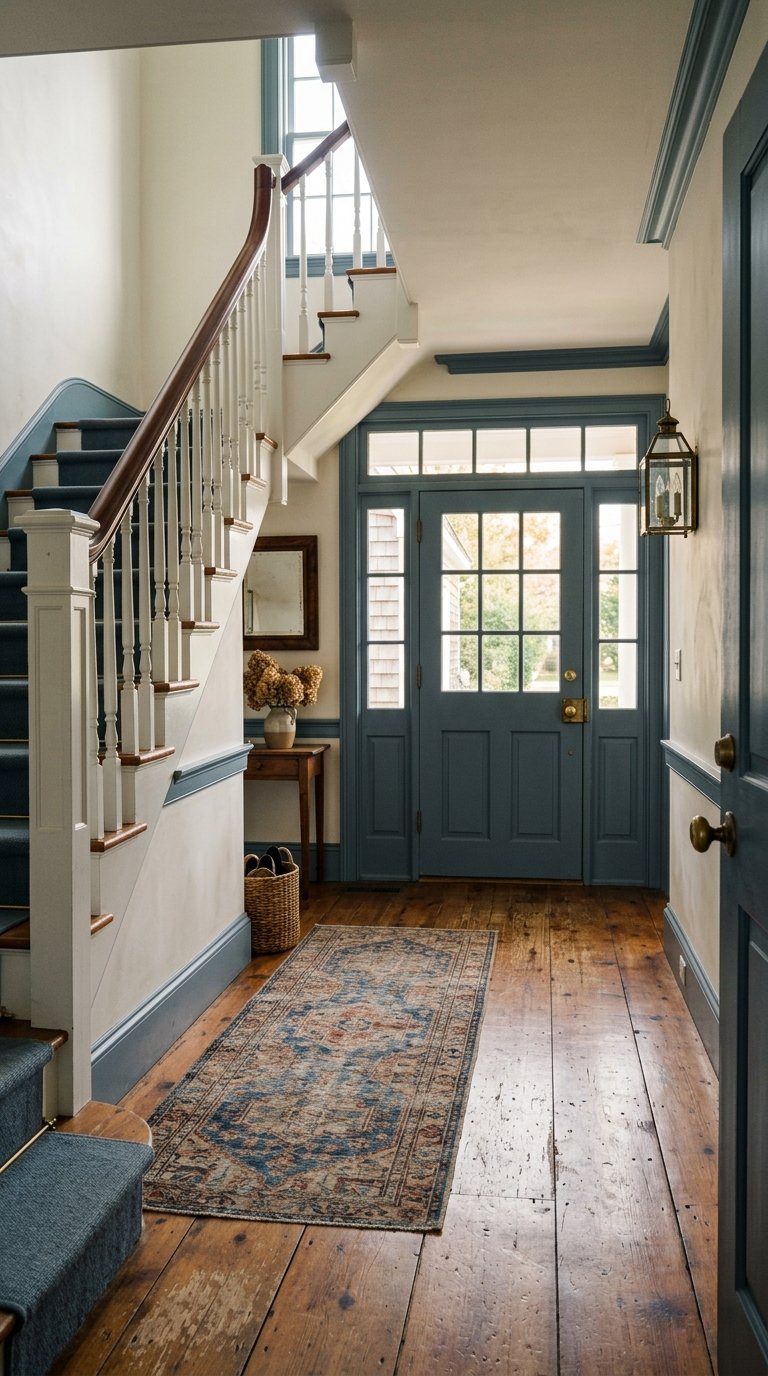
Much of Noank’s historic housing stock consists of 19th-century wood-frame homes. You may notice details like decorative pilasters, bargeboards, peak ornaments, porches, fences, fishscale shingles, and other ornamental woodwork. These features are a big part of the village’s appeal and help give many homes a strong sense of place.
At the same time, some older houses have been heavily modernized over the years. That means original materials or construction details may be hidden behind later updates. As a buyer, you want to appreciate the charm you can see while also looking carefully at what may have been covered up.
One of the biggest misconceptions buyers have is that a National Register listing automatically controls what a private owner can change. In Connecticut, that is not how it works. A National Register listing by itself does not prevent a private owner from altering a property.
State Register listing also does not automatically create a local historic district or restrict private owners on its own. In practice, this means you should confirm the exact status of the specific property you want to buy. A home may be within the Noank National Register Historic District, but additional local rules may or may not apply.
Before you plan renovations, ask whether the parcel is subject to any designation beyond the National Register district. Exterior architectural changes may be reviewed in local historic districts that are municipally administered. It is much easier to understand that upfront than to discover it after closing.
Historic homes can be deeply rewarding to own, but they often come with a longer maintenance list than newer properties. Connecticut’s historic homes guidance points to common project areas that buyers should expect in older homes.
These often include:
That does not mean every Noank historic home will need all of this work. It does mean your inspection mindset should be broad. You are not only evaluating the kitchen and baths. You are also looking at the systems, envelope, and structure that support the home over time.
Older wood windows are often a major part of a historic home’s appearance. Connecticut’s rehabilitation guidance says historic wooden windows should generally be repaired rather than replaced unless they are beyond repair. Weatherstripping and storm windows can also be appropriate improvements.
For buyers, that matters in two ways. First, original windows may still have useful life if maintained properly. Second, replacement plans that seem simple in a newer house may require a different approach in a historic property.
Historic homes are often assumed to be energy inefficient across the board, but that is not always true. The National Park Service notes that historic buildings may already include energy-saving features. Common trouble spots tend to be air leakage around windows and doors, along with insulation needs in attics and walls.
The goal is to improve comfort and performance without damaging historic materials or reducing the home’s character. That matters if you want to preserve original details and, in some cases, if you plan to pursue a rehabilitation tax credit.
Connecticut’s historic homes tax credit guide says certain approaches are ineligible under that program. These include spray foam insulation, substitute materials, non-in-kind replacement of historic fabric, additions, demolitions, and some remodel-focused work. The 2025-2026 guide also says partial credit for kitchen and bath remodels is no longer covered.
If you are buying with a renovation plan in mind, it helps to separate cosmetic wish-list projects from preservation-friendly improvements. A home can be updated, but the method matters.
Because Noank is part of the Town of Groton, buyers should understand how local permitting may affect future work. The Town’s Inspection Services division issues permits, inspects projects at different stages, issues certificates of occupancy, and enforces building, electrical, plumbing, and mechanical codes. It also enforces provisions of the Coastal Area Management Act.
That means additions, major exterior changes, structural work, and shoreline-related projects should be checked with the Town before work begins. Even if a project seems straightforward, a historic coastal property can involve more review steps than expected.
The Town’s government guide notes that the Harbor Management Commission’s jurisdiction includes Noank Harbor, the Lower Mystic River, West Cove, Palmer’s Cove, Beebe Cove, and other harbor waters. The Inland Wetlands Agency handles wetlands work in town.
For a buyer, this is especially important if the property includes or is near features such as:
In those cases, more than one local review path may apply. A waterfront or water-adjacent property can involve diligence that goes well beyond the house itself.
In a coastal village like Noank, flood review should happen early in your buying process. Flood damage is not covered by standard homeowners insurance. Flood insurance may also be required for properties in Special Flood Hazard Areas when the mortgage is government-backed.
That is why it is smart to check the parcel’s flood zone and your lender’s requirements as soon as serious interest begins. Waiting until the end of the transaction can create stress, added cost, or both.
Flood and coastal diligence is not just about whether water reached the basement in the past. In Noank, shoreline access, drainage, moorings, wetland proximity, and other site features can affect both ownership costs and future project planning.
If a home has waterfront elements or sits near regulated areas, ask focused questions early. You want a clear picture of what you are buying, what upkeep may involve, and whether future changes could trigger extra review.
Connecticut’s Historic Homes Rehabilitation Tax Credit can be meaningful for buyers planning eligible work. The program currently offers a 30% credit up to $30,000 per unit for qualifying one-to-four-unit historic homes, with a minimum eligible rehabilitation spend of $15,000.
To qualify, the home must be listed on the State or National Register individually or as a contributing resource to a district. At least one unit must be the owner’s primary residence, and the scope of work must be reviewed before construction begins.
Eligible work can include:
The program does not cover everything a buyer may want to do. New construction, floor-plan changes, spray foam insulation, and substitute materials are among the ineligible items. If the credit is part of your budget strategy, make sure your project scope is reviewed before you start work.
A historic home purchase in Noank is rarely just about square footage and finishes. You are often evaluating age, craftsmanship, maintenance history, coastal conditions, and local review considerations all at once.
That is why the right professionals matter. Connecticut’s guide says there is no approved contractor list, but contractors should be licensed, insured, and experienced with historic homes. For many buyers, it also makes sense to work with a preservation-aware inspector and a contractor who understands older wood-frame coastal houses.
The more specific your team’s experience, the easier it is to spot red flags, estimate likely repairs, and make a confident decision. In a village as distinctive as Noank, local context can make a real difference.
If you love the idea of owning a historic home in Noank, the key is to pair emotion with due diligence. Admire the porch details, woodwork, and village setting, but also verify the property’s designation, flood considerations, permit needs, and likely repair priorities.
When you do that, you put yourself in a much stronger position to buy with confidence. If you are considering a historic or coastal home in Noank, the Donna Dean Team can help you navigate the local market with practical insight and a steady, informed approach.


We pride ourselves in providing personalized solutions that bring our clients closer to their dream properties and enhance their long-term wealth. Contact us today to find out how we can be of assistance to you!