Eastern Point Beach’s Paid Season Ends as a New Concession Operator Takes Over
Walk down Beach Pond Road most Tuesday mornings this month and you will find the parking booth empty. No one waves you through, because no one is checking. The lifeguard chairs are stacked against the fence. The grill that fed three generations of Groton kids all summer sits quiet behind the beach house. And if you live in Eastern Point, this is the moment worth paying attention to, not the one you should be mourning.
Eastern Point Beach runs a paid season from mid-June to Labor Day, with seasonal passes and daily fees for residents and non-residents alike, according to the city's own listing for the property. Once that window closes, the beach does not shut down. It opens up. Multiple longtime visitors describe the same thing every fall: the gate stops charging, and the beach becomes free through winter and spring. For a neighborhood built around a small strip of sand at the mouth of the Thames River, that handoff changes who shows up and what the place is actually for.
The bigger story this year is not the gate. It is who is behind the counter next summer.
For years, the Groton Public Schools Food Service Department ran the concession stand at Eastern Point Beach as a side operation, serving the clam fritters, grilled cheese, and soft serve that regulars still bring up unprompted. This spring, that department told the city it would not be returning for the 2026 season. The city's Parks and Recreation Department, under director Mary Hill, put the concession out to bid. Two proposals came back. The council awarded the one-year contract to Barry Ryan, a Groton business owner, after his bid came in with more competitive menu pricing than the alternative, according to the resolution the City Council passed this April.
That is a small piece of municipal business, the kind that usually lives and dies in a council agenda PDF nobody reads twice. But if you live within walking distance of that beach house, it explains something concrete: the person running the stand you will find open next Memorial Day is not the institution that ran it for over a decade. It is a local operator who won the job on price. Whether that means a different menu, different hours, or just a different name on the receipt will not be clear until the stand reopens, but the transition itself is already a matter of public record, not neighborhood rumor.
The paid season and the free season are not the same beach wearing different weather. They function differently, and the difference is worth laying out plainly.
| Mid-June through Labor Day | Labor Day through mid-June | |
|---|---|---|
| Entry | Paid, resident and non-resident passes plus daily fee | Free |
| Concession | Staffed, new operator starting 2026 | Closed |
| Lifeguards | On duty | Off duty |
| Who shows up | Families with passes, day-trippers | Dog walkers, anglers, early-morning coffee regulars |
The paid months bring volume. The free months bring a different mix of beachgoers. Fishing is permitted at the beach year-round, and once the crowds thin out, the rocks along the point offer a quieter place to take in the view. That shift from destination to daily habit is the whole reason the neighborhood's rhythm changes once the booth goes quiet.
If you assumed the season ended with a single long weekend, the last month argues otherwise. Eastern Point Beach and its immediate neighbors hosted a run of events that did the actual work of closing out summer, clustered after Labor Day:
None of these are Labor Day events. They happened after it, clustered in a window most calendars would call the off-season. For a neighborhood this size, that clustering matters more than any single event does. It means the social center of gravity here does not collapse the day after the holiday. It just moves indoors and gets smaller, then flares up again for specific occasions through the fall.
What replaces the crowds is not nothing. It is a quieter mix of everyday activity.
Eastern Point sits at the mouth of the Thames, directly across from the Naval Submarine Base, and beachgoers who show up on an ordinary weekday morning regularly catch a submarine or a Block Island ferry moving past. That view does not require a pass or a fee once the season turns. Neither does the sight line toward New London Ledge Lighthouse, which sits close enough offshore to anchor a sunset without a zoom lens.
Further inland, the calendar keeps giving locals reasons to be outside. The Connecticut National Estuarine Research Reserve is holding a fall bird walk at Haley Farm State Park on October 17, led by a Connecticut Audubon Society educator, open to anyone regardless of birding experience. Haley Farm connects to the Groton and Stonington Trolley Trail, the old rail bed that threads past stone walls and a small cemetery on its way toward Bluff Point. None of this is beach activity. It is what the neighborhood does once the beach itself stops being the only draw.
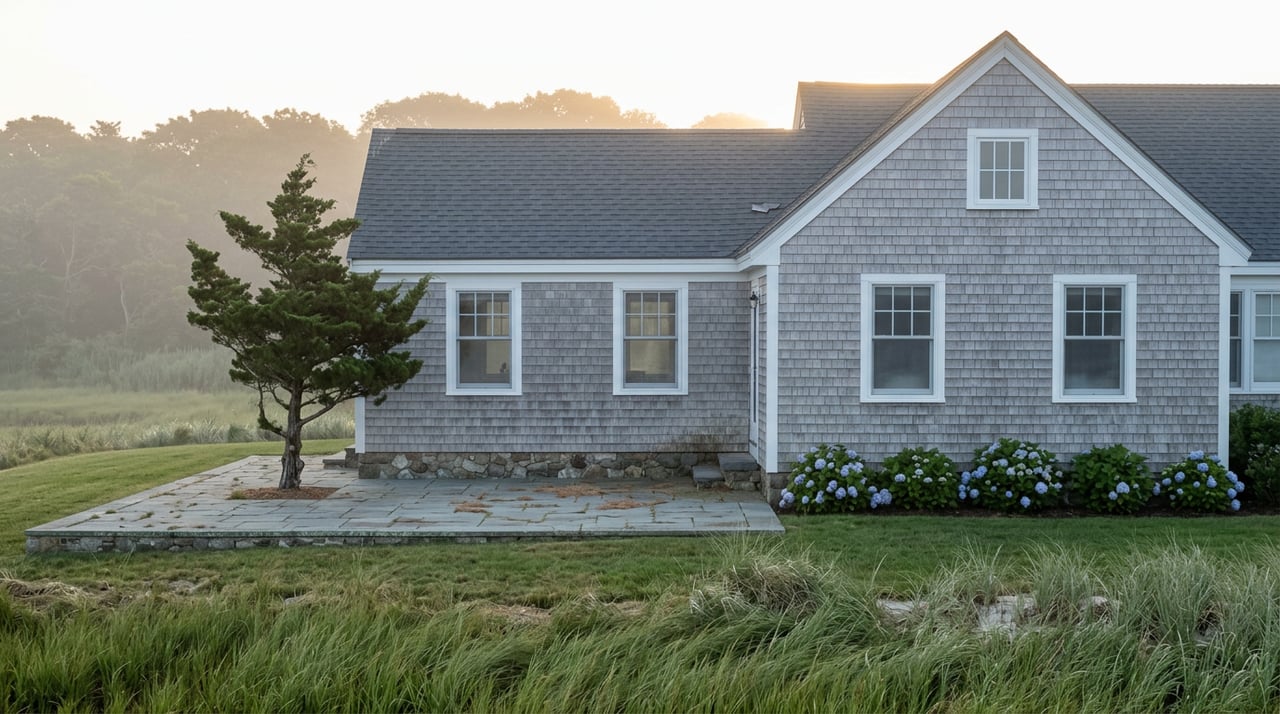
The setting behind all of it has not changed. Eastern Point's shingle-style summer cottages date largely from the turn of the last century, when the area became a fashionable seasonal colony anchored by Morton F. Plant's estate at neighboring Avery Point. Plant's mansion, the Branford House, still stands on the UConn campus a short walk from the beach, now housing the Alexey von Schlippe Gallery of Art. That history is not a selling point here. It is just the backdrop the neighborhood has always had, visible on the same walk that takes you past the empty parking booth.
The easy version of this story is that summer ends and Eastern Point gets quiet. The more accurate version is that the beach changes ownership twice this year: once when the gate stops charging and the crowds that came for a paid pass stop showing up, and once when Barry Ryan takes over a concession stand that had been run by the same institution for years. Both changes happen quietly, on paperwork and on a schedule, and both mean the version of the beach you will use for the next eight months looks different from the one you used in July.
If you already live in Eastern Point, none of this requires you to do anything. Walk the beach in the morning. Watch for the ferry. Notice who is behind the counter when the stand reopens. If you are weighing a move into this stretch of Groton, or wondering what a home near a beach like this is actually worth once you look past the summer version of it, the team at Mystic & More has spent years working this exact stretch of coastline and can walk you through it. Get your free home valuation and start the conversation with people who already know which gate closes in September and which one never really does.
This article is general information, not legal, tax or financial advice. Consult a qualified professional about your situation.




We pride ourselves in providing personalized solutions that bring our clients closer to their dream properties and enhance their long-term wealth. Contact us today to find out how we can be of assistance to you!